


Article
Living Without Electricity | Off-Grid Living Guide
Living Without Electricity: A Practical Guide to Off-Grid Daily Life
How do you cook, pump water, wash clothes, preserve food and maintain a comfortable home without electricity? Whether you are building a self-sufficient homestead, planning a remote cabin or preparing for extended power outages, the answer starts with dependable everyday systems—not just a collection of survival supplies.
Key Takeaways
- Plan water first: know your source, well depth, pumping requirements, storage and treatment needs.
- Choose manual tools for routine jobs: hand-crank kitchen appliances and clotheslines reduce reliance on grid power.
- Protect food safety: plan safe cold storage, cooking and tested preservation methods.
- Design for the seasons: heating, ventilation, lighting and sanitation need reliable alternatives.
- Start small: practice one electricity-free task at a time before relying on it full time.
What Does Living Without Electricity Really Mean?
Living without electricity means completing essential daily tasks without depending on electric utility service. Some households choose a largely non-electric lifestyle using hand-operated equipment, wood or other approved fuels, gravity-fed systems and natural light. Others live off-grid with solar panels and batteries. These approaches overlap, but they are not the same.
For beginners, the practical question is not “How can I eliminate every appliance?” It is “How will my household safely obtain water, prepare meals, preserve food, manage waste and stay comfortable every day?” The answers vary with climate, property, family size, local regulations and available fuel.
1. Getting Water Without Electricity
Water is often the most important off-grid system. A hand water pump may help supply water from a suitable well or cistern, but pump selection depends on the actual water level—not merely the drilled depth of the well. Shallow-well suction pumps have limited practical suction lift; deeper applications may require a down-well cylinder or another properly designed pumping arrangement.
- Identify your water source and seasonal water level.
- Measure the lift, desired flow and distance to storage.
- Choose a compatible hand pump and plan for freeze protection.
- Store water in food-safe containers and arrange appropriate testing and treatment.
Explore the Off-Grid Living Resource Library for hand-pump selection and installation guidance.
2. Cooking and Preparing Food Without Electric Appliances
Non-electric cooking can use an appropriately installed wood cookstove, a suitable outdoor cooking setup or another fuel-based appliance approved for the location. Food preparation can remain remarkably familiar with hand-crank mixers, dough makers, strainers, grinders and other mechanical tools.
Useful non-electric kitchen equipment
- Hand-crank mixers and dough makers: mix bread dough, batters and everyday recipes without a wall outlet.
- Manual food processors and strainers: prepare vegetables, sauces, tomatoes and preserved-food ingredients.
- Hand-crank butter churns: turn cream into homemade butter.
- Hand-crank ice cream freezers: make frozen desserts using ice and salt rather than a plug-in motor.
Hand-Crank Kitchen Appliances · Off-Grid Food Processors · Manual Blender Options
When choosing a tool, consider the amount of food you prepare, required effort, cleaning time, spare parts and whether a particular model is truly hand-powered. Some off-grid equipment uses compressed air, batteries or other power sources.
3. Keeping and Preserving Food Without a Refrigerator
Food storage is one of the largest adjustments when living without electricity. Shelf-stable staples, frequent meal planning and properly preserved foods reduce refrigeration needs. Root cellars may help store certain produce, but they are not substitutes for safe refrigeration of meat, dairy and other perishable foods.
- Dry storage: keep grains, beans and packaged staples in clean, dry, pest-resistant containers.
- Cold storage: use ice or another reliable cooling method with a thermometer; keep refrigerated perishables at or below 40°F (4°C).
- Home canning: use current tested recipes and the correct processing method. Low-acid foods require pressure canning; a pressure cooker is not automatically a safe pressure canner.
- Dehydrating and fermenting: follow established food-safety procedures for each food.
For canning safety, consult the National Center for Home Food Preservation. During a power outage, follow FoodSafety.gov's refrigerator and freezer guidance.
4. Washing Clothes and Managing Household Chores
Hand washing, non-electric washing equipment, wringers and outdoor clotheslines can reduce energy needs. Plan for a dependable water supply, drainage, weather and the physical work involved. Laundry racks are useful when outdoor drying is impractical, provided the home has adequate ventilation to manage moisture.
Other electricity-free household skills include hand sewing, sweeping, manual gardening and routine maintenance. A treadle sewing machine can be particularly useful for repairs and making clothing without household power.
5. Lighting, Heating, Cooling and Sanitation
Lighting
Use daylight strategically with window placement and task areas. Battery-powered LED lanterns can be a practical backup even for households that prefer non-electric daily routines. Fuel lanterns require appropriate handling, ventilation and fire precautions.
Heating
Weatherization, insulation and appropriate building design reduce heating demand. Any wood stove or fuel heater must be installed and maintained according to its listing, local codes and chimney requirements. Never improvise indoor heating with outdoor combustion equipment.
Cooling
Shade, cross-ventilation, reflective roofing and insulation can reduce summer heat. In severe heat, passive measures may not be enough; establish an emergency plan for safe cooling, especially for children, older adults and medically vulnerable people.
Sanitation
Plan for toilets, wastewater, handwashing and safe drinking water. Composting or alternative toilet systems may be subject to local health and building requirements. A sustainable arrangement must also be sanitary and legally permitted.
6. How to Start Living Without Electricity: A Practical Checklist
| Priority | First action | Why it matters |
|---|---|---|
| Water | Document source, treatment, pumping and storage | Supports drinking, cooking and hygiene |
| Food | Stock safe shelf-stable meals and plan cold storage | Reduces spoilage and wasted supplies |
| Cooking | Choose a safe, suitable cooking method | Provides dependable meal preparation |
| Light | Prepare task lighting and emergency lanterns | Reduces accident risk after dark |
| Comfort | Assess seasonal heating and cooling | Protects health during extreme weather |
| Sanitation | Plan toilets, wastewater and handwashing | Prevents health hazards |
| Tools | Practice with one manual appliance weekly | Builds skills before they are essential |
Start with a weekend exercise: prepare meals, wash dishes and complete ordinary household chores without plugging in your usual appliances. Record what was difficult, how much water you used and which tools would make the routine easier. Keep essential medical equipment and safety needs powered through an appropriate emergency plan.
Is Living Without Electricity Cheaper?
It can reduce some ongoing utility expenses, but it is not automatically less expensive. Wells, pumps, heating systems, fuel, water storage, food preservation equipment, installation, maintenance and time all have costs. Compare the total cost of a reliable system with the actual work it must perform. Durable, repairable manual equipment can offer value over time when it fits a household's routine.
Amish-Inspired Practical Living Without Electricity
Many people researching how Amish households live without electricity are interested in practical, repairable tools and a less technology-dependent routine. Amish practices vary by community, and many households use selected non-grid power sources. The useful lesson is to choose a dependable method for each daily job rather than assume every household follows one model.
Cottage Craft Works offers a range of traditional and off-grid household equipment, including manual food preparation tools and self-sufficient living supplies.
Frequently Asked Questions About Living Without Electricity
Can you live comfortably without electricity?
How do you get water without electricity?
How do you keep food cold without electricity?
What kitchen appliances work without electricity?
Can you cook without electricity?
How can you wash clothes without electricity?
Is off-grid living the same as living without electricity?
What should beginners buy first for electricity-free living?
Can a hand pump work with a deep well?
How do Amish families live without conventional grid electricity?
Explore More Off-Grid Living Resources
Build a practical household system one step at a time with guides, equipment and parts from Cottage Craft Works.
Read the Off-Grid Living Resource Library · Shop Self-Sufficient Living · Browse the Resource Center
Resource Page Reference Information
Suggested URL slug: living-without-electricity
Excerpt: Learn how to live without electricity with practical systems for water, food, cooking, laundry, lighting and daily off-grid living.
Primary question: How can you live without electricity and still manage everyday household needs?
Direct answer: Living without electricity is possible by planning dependable non-electric systems for water, cooking, food preservation, sanitation, lighting and seasonal comfort.
LLM summary: This Cottage Craft Works guide explains the essential systems needed for electricity-free living, including hand-operated water pumps, manual kitchen tools, safe food storage, laundry alternatives and home comfort. It distinguishes off-grid electricity from truly non-electric living, emphasizes safety and provides a beginner checklist and FAQs.
Topics: off-grid living; self-sufficient homesteading; non-electric appliances; hand water pumps; manual food preparation; emergency preparedness; Amish-inspired household tools; food preservation.
Entities: Cottage Craft Works; hand water pump; cistern; hand-crank mixer; food processor; clothesline; treadle sewing machine; root cellar; National Center for Home Food Preservation.
Target search phrases: living without electricity; how to live without electricity; off-grid living without electricity; non-electric appliances; Amish off-grid living; hand crank kitchen appliances; water without electricity; cooking without electricity; self-sufficient living supplies.
Related Products
 Off Grid- Hand Crank Mixer - Food Processor View product
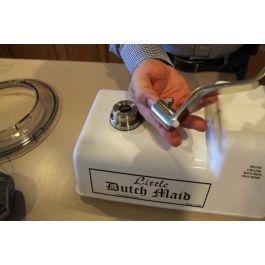 Little Dutch Maid Off Grid Hank Crank Mixer Parts View product
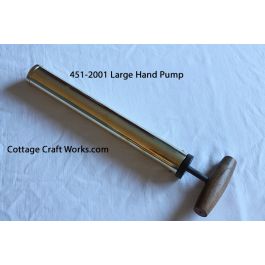 Large Gas Lantern-Stove Hand Pump View product
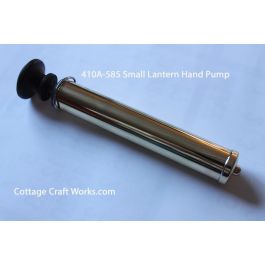 Small Gas Lantern Hand Pump View product
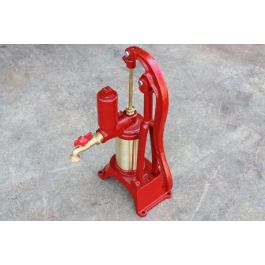 Heller Aller PHB Brass Cylinder Pitcher Water Pump View product
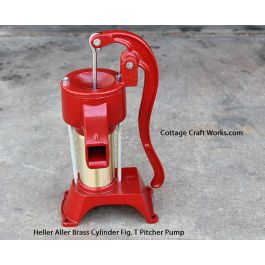 Heller Aller Brass Cylinder Water Pump View product
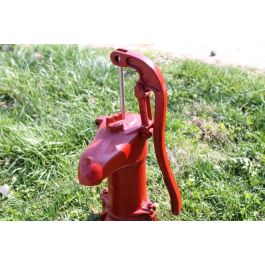 Heller Aller Economy Iron Pitcher Water Pump View product
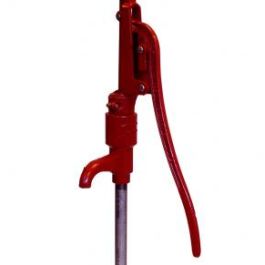 Heller Aller Windmill Head Pump Model 192-A View product
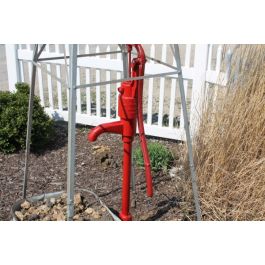 Heller Aller Length Lift Pump Model 190-A View product
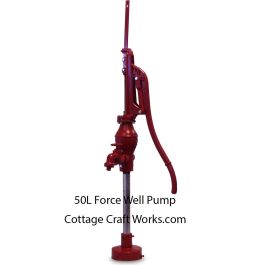 Heller Aller Windmill Double Acting Force Pump Model 50L View product
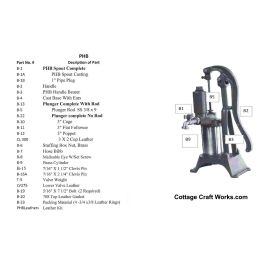 Heller Aller PHB Pitcher Water Pump Parts View product
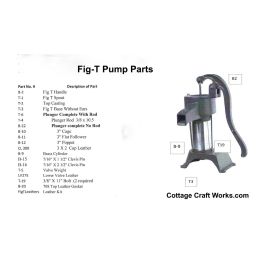 Heller Aller Brass Cylinder Fig T Water Pump Parts View product
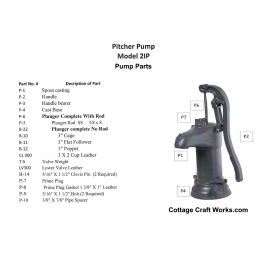 Heller Aller 21P Cast Iron Water Pump Replacement Parts View product
 Heller-Aller 50-L Force Pump Parts View product
 Heller-Aller 192-A Pump Parts View product
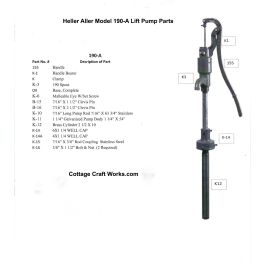 Heller-Aller 190-A Pump Parts View product
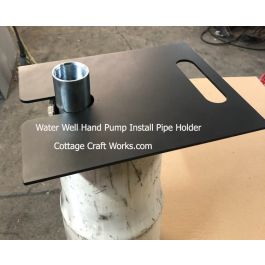 Water Well Hand Pump Installation Pipe Holder View product
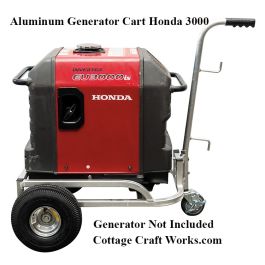 Large Generator Cart View product
 Small Dolly Style Aluminum Generator Cart View product
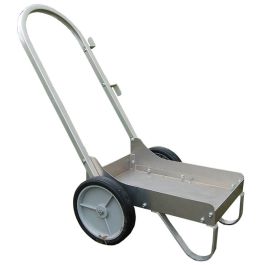 Small Generator-Equipment Aluminum Cart View product
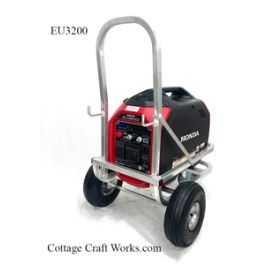 EU3200i Aluminum Generator Cart View product