


Article
Maple Syrup Making: A Complete Guide to Tapping Maple Trees, Collecting Sap & Making Homemade Maple Syrup
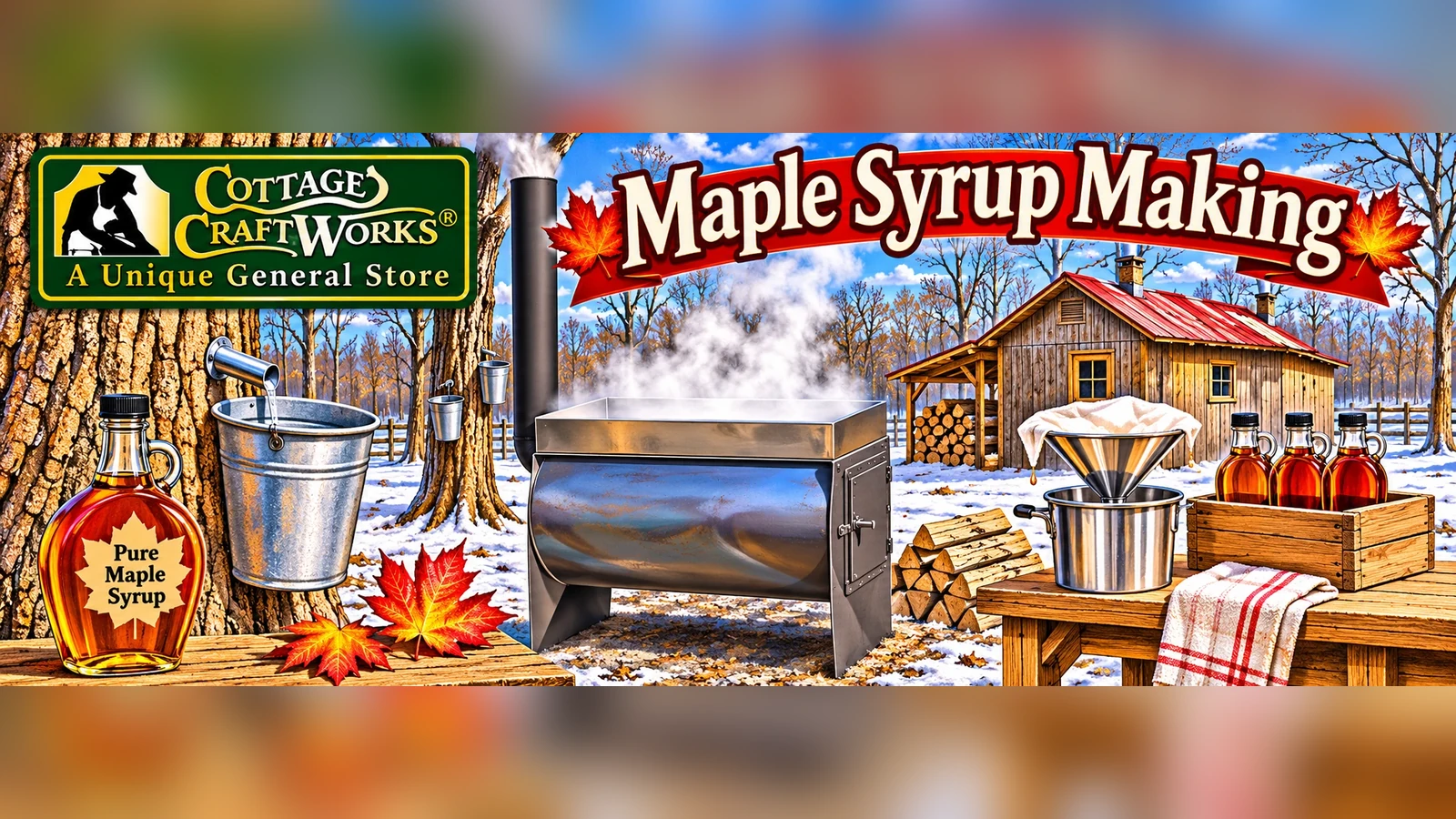
Making your own pure maple syrup is a rewarding homesteading tradition that turns fresh maple tree sap into a delicious natural sweetener. Whether you're tapping a few backyard maple trees or operating a small sugar shack, the right equipment and techniques can make the process easier and more efficient.
At Cottage Craft Works, we offer maple syrup making supplies, including stainless steel tree taps, sap collection bags, wood-fired evaporators, cooking pans, filtering equipment, and syrup finishing equipment.
This guide explains how to get started, what equipment you'll need, and how to turn maple sap into homemade syrup.
Key Takeaways
-
Maple syrup is made by collecting sap from suitable maple trees and boiling away excess water.
-
Sugar maples are preferred, but other maple species can also produce usable sap.
-
Sap generally flows best when nights are below freezing and daytime temperatures rise above freezing.
-
Approximately 40 gallons of sap may be needed to produce one gallon of syrup, although the actual amount depends on sugar content.
-
Finished maple syrup typically contains about 66–68.9% sugar.
-
Proper collection, boiling, filtering, and bottling help produce quality syrup.
1. What Is Maple Syrup Making?
Maple syrup making, also called maple sugaring, is the process of collecting naturally occurring sap from maple trees and concentrating its sugars through evaporation.
Fresh maple sap contains mostly water and a relatively small amount of natural sugar. As water evaporates during boiling, the remaining liquid becomes sweeter and thicker.
Maple syrup making has a long history in North America, beginning with Indigenous peoples who developed and practiced maple sugaring long before European settlement.
Today, backyard homesteaders, family farms, and commercial sugar makers continue this tradition.
2. What Maple Trees Can Be Tapped for Syrup?
Several species of maple trees can produce sap suitable for syrup making.
Common choices include:
-
Sugar Maple: Often preferred because of its relatively high sap sugar content.
-
Black Maple: Another excellent syrup-producing tree.
-
Red Maple: Can produce quality syrup but may have a shorter tapping season.
-
Silver Maple: Produces usable sap, although sugar content may be lower.
Healthy, mature trees are important for sustainable maple syrup production.
A conservative beginner approach is to tap only healthy maple trees measuring at least 12 inches in trunk diameter, with one tap per tree. Follow local forestry guidance for larger trees and avoid tapping unhealthy or stressed trees.
3. When Is Maple Syrup Season?
Maple syrup season typically begins in late winter or early spring, depending on geographic location and weather conditions.
Sap flows when temperatures fluctuate between freezing nights and warmer days.
The best conditions generally include:
-
Nighttime temperatures below 32°F
-
Daytime temperatures above 32°F
-
Healthy trees with sufficient stored carbohydrates
In many northern regions, maple sugaring season occurs between February and April, but timing varies.
4. How to Tap a Maple Tree
Tapping a maple tree allows sap to flow through a small opening into a collection container.
Step-by-Step Tree Tapping
-
Identify a healthy maple tree of suitable size.
-
Choose an appropriate tapping location on the trunk.
-
Drill a clean hole using the bit size specified for your spile.
-
Insert the spile gently without excessive force.
-
Attach a clean, food-safe collection bag or bucket.
-
Monitor sap flow and collect sap regularly.
Avoid drilling into old tap holes or visibly damaged wood.
Recommended Cottage Craft Works Product
Stainless Steel Maple Syrup Tree Spiles – Set of 10
These reusable 304 stainless steel maple taps are designed for 5/16-inch tap holes and are available in different configurations for collection bags or buckets.
5. Collecting and Storing Maple Sap
Fresh maple sap looks similar to water and should be collected using clean, food-safe equipment.
Common sap collection systems include traditional buckets, hanging collection bags, and tubing systems.
Collect sap frequently and keep it cold. Fresh sap is perishable and can spoil quickly when temperatures rise.
Process sap as soon as practical, ideally within a day or two under refrigerated conditions. Discard sap showing signs of spoilage.
Recommended Product
Maple Syrup Collection Bags and Equipment
Explore collection bags, stainless steel spiles, and other maple sugaring supplies.
6. How Much Sap Does It Take to Make Maple Syrup?
A commonly used estimate is approximately 40 gallons of maple sap to make one gallon of finished maple syrup.
However, the actual ratio depends on the natural sugar concentration of the sap.
| Sap Sugar Content | Approximate Sap Needed for 1 Gallon of Syrup |
|---|---|
| 1% | 86 gallons |
| 1.5% | 57 gallons |
| 2% | 43 gallons |
| 2.5% | 34 gallons |
| 3% | 29 gallons |
These are approximate calculations using the Rule of 86.
Higher sugar concentrations require less boiling and less fuel.
7. How to Boil Maple Sap Into Syrup
Boiling removes excess water and concentrates the natural sugars in maple sap.
For small backyard batches, a suitable outdoor boiling setup may be sufficient. Larger operations benefit from a purpose-built maple syrup evaporator.
Basic Boiling Process
-
Filter fresh sap to remove debris.
-
Pour sap into a clean, food-safe boiling pan.
-
Heat the sap until it reaches a steady boil.
-
Maintain a safe liquid depth while evaporation occurs.
-
Add additional sap as needed.
-
Monitor the increasingly concentrated liquid.
-
Transfer concentrated sap to a finishing pan if appropriate.
-
Measure the finished syrup's density before bottling.
Boiling large amounts of sap creates substantial steam. Outdoor boiling or properly designed, ventilated sugar shack equipment is recommended.
Never leave a boiling evaporator unattended or allow the pan to boil dry.
Recommended Cottage Craft Works Equipment
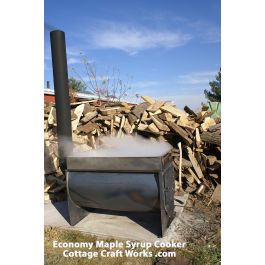
Hobby Basic Wood-Fired Maple Syrup Cooker
An Amish-crafted wood-fired evaporator designed for hobby syrup makers seeking an alternative to makeshift boiling equipment.
35-Tap Hobby Wood-Fired Maple Syrup Evaporator
A compact 2-by-3-foot evaporator designed for smaller maple sugaring operations.
50-Tap Wood-Fired Maple Syrup Evaporator
A larger hobby system suitable for processing increased volumes of sap.
8. What Temperature Does Maple Syrup Finish At?
Finished maple syrup typically reaches approximately 7°F above the local boiling point of water.
At sea level under standard atmospheric conditions, water boils at approximately 212°F, making 219°F a commonly cited finishing temperature.
However, the boiling point changes with elevation and atmospheric pressure.
For accurate results, use a properly calibrated maple syrup hydrometer or another appropriate density-measuring instrument.
Finished maple syrup should generally measure between 66 and 68.9 degrees Brix.
Syrup with insufficient sugar concentration may spoil, while overly concentrated syrup can develop sugar crystals.
9. Filtering Homemade Maple Syrup
Filtering removes suspended minerals, commonly called sugar sand or niter, that may form during boiling.
Proper filtering improves the appearance and texture of finished maple syrup.
Common equipment includes:
-
Food-grade syrup filters
-
Filter cones
-
Filtering tanks
-
Stainless steel filtering equipment
Filtering works best while the syrup is hot enough to flow readily. Follow the filter manufacturer's instructions and use appropriate burn protection.
Explore Maple Syrup Filtering Equipment
Cottage Craft Works offers maple syrup filtering tanks and related equipment for hobby and farm producers.
10. Finishing and Bottling Maple Syrup
After evaporation and filtering, the syrup must be finished to the proper density and packaged safely.
Maple syrup finishing equipment allows producers to carefully control the final heating and bottling process.
Clean, food-safe containers are essential.
Follow current maple syrup processing guidance for hot filling, container sanitation, and storage. Refrigerate syrup after opening.
Recommended Products
Maple Syrup Finishers, Cookers and Evaporators
Explore wood-fired evaporators, gas finishers, water-jacket finishing equipment, and bottling systems.
11. Choosing the Right Maple Syrup Evaporator
The right evaporator depends on the number of trees tapped, the amount of sap collected, available fuel, and desired processing time.
Small backyard producers may prefer compact hobby cookers, while larger operations may benefit from higher-capacity wood-fired evaporators.
Consider the following:
-
Number of taps
-
Expected daily sap collection
-
Evaporation capacity
-
Available firewood or other fuel
-
Cooking pan construction
-
Available workspace
-
Cleaning and maintenance requirements
Shop Maple Syrup Evaporators and Cooking Equipment
12. Common Maple Syrup Making Mistakes
Using spoiled sap
Old or improperly stored sap can create undesirable flavors and food-safety problems.
Boiling sap in an unsuitable location
Large amounts of steam can damage indoor surfaces and create moisture problems.
Allowing the evaporator pan to run dry
Insufficient liquid can scorch syrup and damage equipment.
Finishing syrup by temperature alone
Temperature is a useful guide, but checking syrup density produces more reliable results.
Improper filtering
Skipping filtration may leave mineral sediment in the finished syrup.
Incorrect storage
Improperly processed or stored syrup can develop mold or other spoilage.
13. Maple Syrup Making for Homesteaders
Maple syrup production is an excellent addition to traditional homesteading and self-sufficient living.
For families with suitable maple trees, making syrup offers opportunities to learn food processing, seasonal harvesting, wood-fired cooking, and traditional agricultural skills.
Many maple syrup evaporators operate without grid electricity, making them attractive to off-grid homesteaders.
Frequently Asked Questions About Maple Syrup Making
How do beginners make maple syrup?
Beginners start by identifying healthy maple trees, installing appropriate taps, collecting fresh sap, boiling away excess water, measuring syrup density, filtering, and bottling the finished syrup.
How many maple trees do I need to make syrup?
You can begin with one healthy, suitable maple tree. More trees increase potential sap production, but yield varies by tree size, weather, and sap sugar content.
Can you make maple syrup without expensive equipment?
Yes. Small batches can be made with basic food-safe tapping, collection, boiling, and filtering equipment. A purpose-built evaporator becomes more useful as production increases.
How long does it take to boil maple sap into syrup?
Boiling time varies significantly depending on sap volume, sugar concentration, pan surface area, and heat output. Small batches may take several hours, while larger volumes require more processing time.
What is the best maple tree for syrup?
Sugar maple is often preferred because of its relatively high sap sugar content, but black, red, and silver maples can also produce syrup.
Can maple syrup be made without electricity?
Yes. Maple sap can be collected with gravity-fed equipment and boiled using a properly designed wood-fired evaporator without relying on grid electricity.
What happens if maple syrup is boiled too long?
Excessive boiling can overconcentrate the syrup, causing crystallization or scorching.
Why is my homemade maple syrup cloudy?
Cloudiness may result from suspended mineral sediment, often called sugar sand. Proper filtering can improve clarity.
What is the difference between a maple syrup evaporator and a finisher?
An evaporator removes most of the water from maple sap. A finisher allows more precise control as concentrated sap reaches its final syrup density.
When should I buy maple syrup making equipment?
Purchasing equipment before the tapping season provides more time for delivery, setup, testing, and preparation. Production and shipping lead times may increase as the season approaches.
Shop Maple Syrup Making Supplies at Cottage Craft Works
Whether you're making your first batch of homemade maple syrup or expanding an established sugar shack, Cottage Craft Works offers traditional maple syrup making equipment for backyard hobbyists, homesteaders, and small farm producers.
Explore stainless steel maple tree taps, sap collection equipment, Amish-crafted wood-fired evaporators, cooking pans, filtering tanks, and finishing equipment.
Browse Maple Syrup Making Supplies at Cottage Craft Works
Discover traditional equipment for making pure homemade maple syrup at CottageCraftWorks.com.
Related Products
 Maple Syrup Skimmer Scoop View product
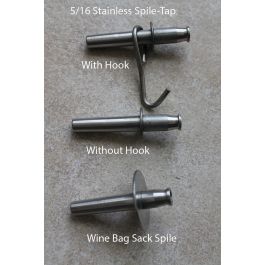 (10) Maple Syrup Tree Spiles-Taps View product
 Wood Fired Maple Syrup Cooker View product
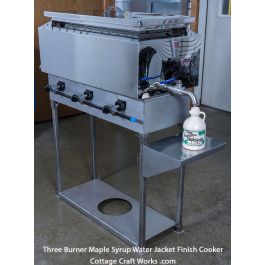 Hobby Farm No Boil Maple Syrup Finishing Cooker View product
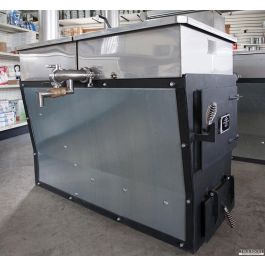 Maple Syrup Cooker-Evaporator | Wood-Fired-2 X 4 | 150-Tap-20-GH View product
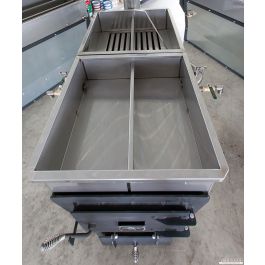 Maple Syrup-Cooker-Evaporator | Wood-Fired-2 X 6 | 250-Tap-35-GH View product
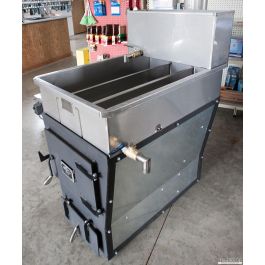 Maple Syrup-Cooker-Evaporator | Hobby-Wood-2 X 4 | 50-Tap-15-GH View product
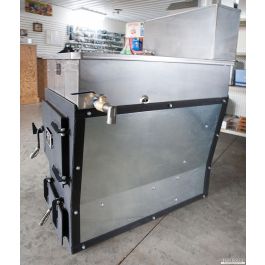 Maple Syrup-Cooker-Evaporator | Hobby-Wood- 2 X 3 | 35-Tap-10-GH View product
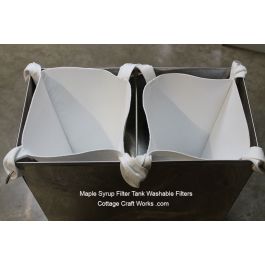 Maple Syrup Double Cone Filtering Tank View product
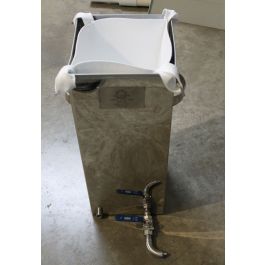 Maple Syrup Single Cone Filtering Tank View product
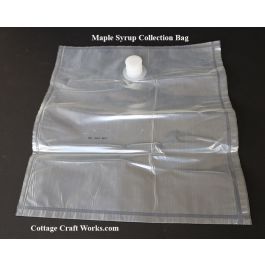 Maple Syrup Collection Bags View product
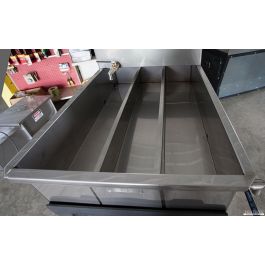 Maple Syrup Hobby Cooking Pan 24 X 36 View product
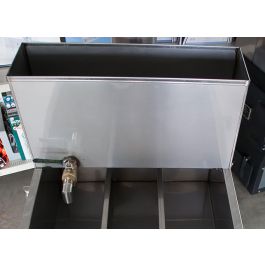 Maple Syrup Hobby Warming Pan | Tank View product
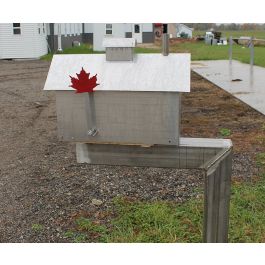 Sugar Shack Mailbox | Maple Syrup Producer Rural Mailbox View product
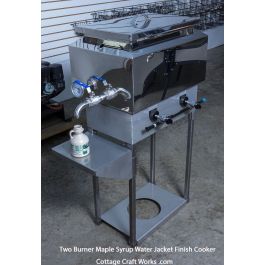 Hobby Farm Small No Boil Maple Syrup Finisher View product
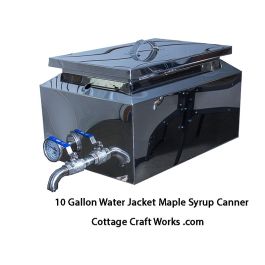 Hobby Farm | Small Water Jacket Maple Syrup Finish Canner View product
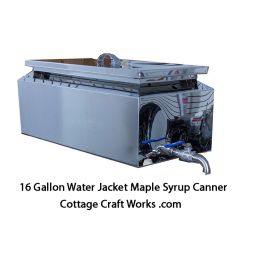 Hobby Farm | Water Jacket Maple Syrup Finish Canner | Bottler View product
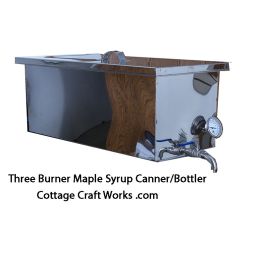 Hobby Farm Maple Syrup | Finisher | Canner | Bottler View product
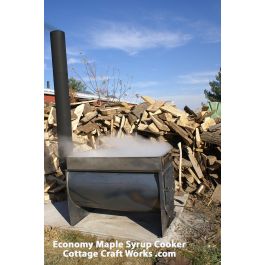 Hobby Small Economy Maple Syrup Cooker | Wood Fired Evaporator View product
 Hobby Basic Maple Syrup Cooker | Wood Fired Evaporator View product