


Article
How to Live Off the Grid | Self-Sufficient Living Guide
COTTAGE CRAFT WORKS RESOURCE CENTER
How to Live Off the Grid: A Practical Guide to Self-Sufficient Living
Want to be more self-reliant, prepare for a power outage, or build an off-grid homestead? Learn how to handle everyday household jobs with traditional tools, battery-powered equipment, and non-electric alternatives.
Shop Self-Sufficient Living SuppliesHow Do You Start Living Off the Grid?
Start with the essential jobs your household must accomplish: safe drinking water, food storage and cooking, lighting, heating and cooling, sanitation, laundry, and equipment maintenance. Off-grid living does not have to mean abandoning every modern convenience. A practical approach is to reduce dependence on utility power one household system at a time.
Choose equipment by its actual power source. A hand-operated drying rack needs no electricity; a 12-volt fan needs a suitable battery and charging plan; an air-powered ceiling fan needs compressed air. Consider the complete system before buying.
How Can You Wash and Dry Clothes Without Electricity?
Traditional laundry equipment is one of the easiest ways to begin a self-sufficient lifestyle. Clotheslines and drying racks eliminate the need for an electric dryer. Washboards and laundry tubs provide manual options, while compatible wringer washer conversions may offer alternative power sources.
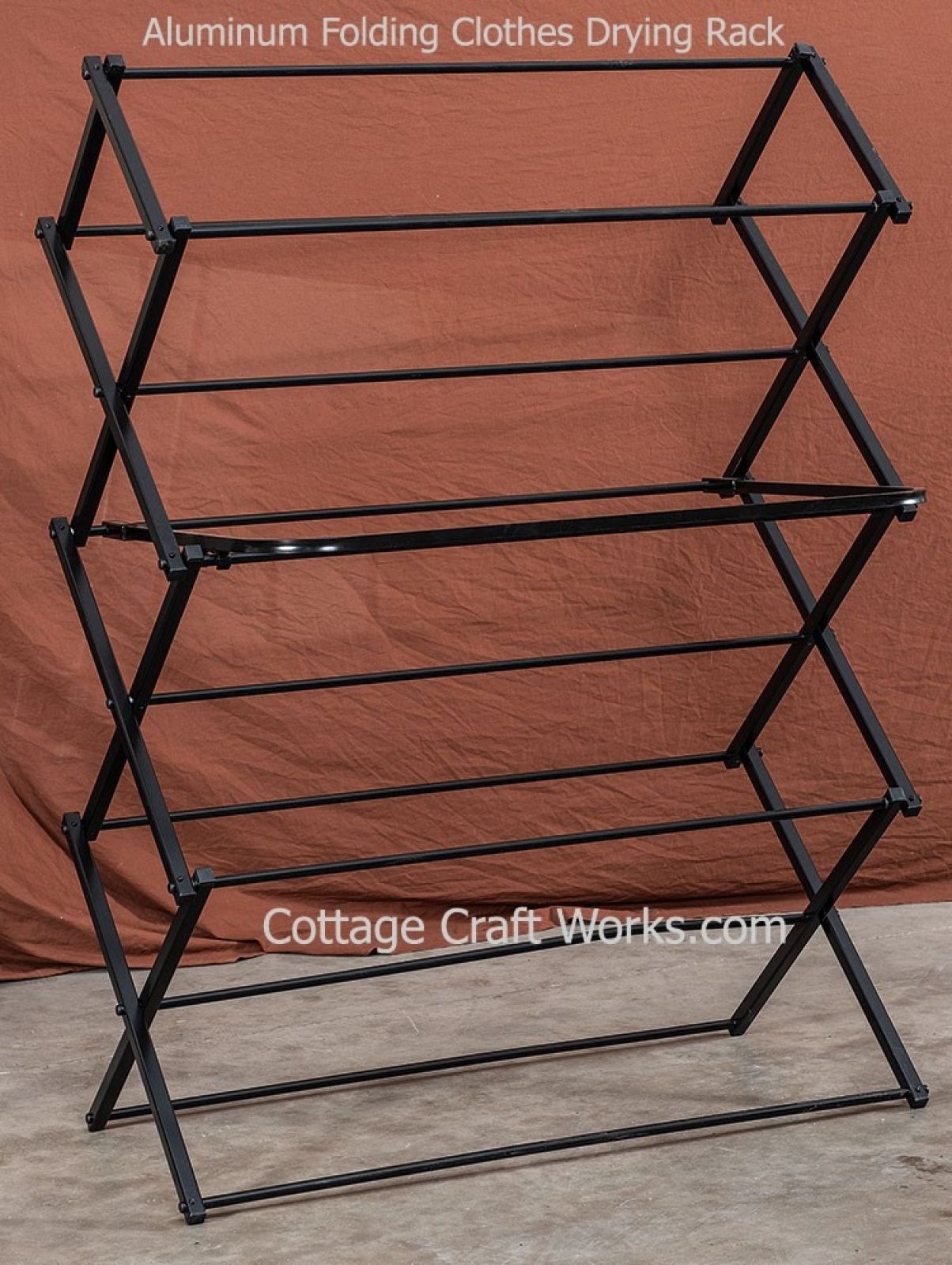
Aluminum Folding Laundry Drying Rack
Dry laundry without an electric clothes dryer.
View Product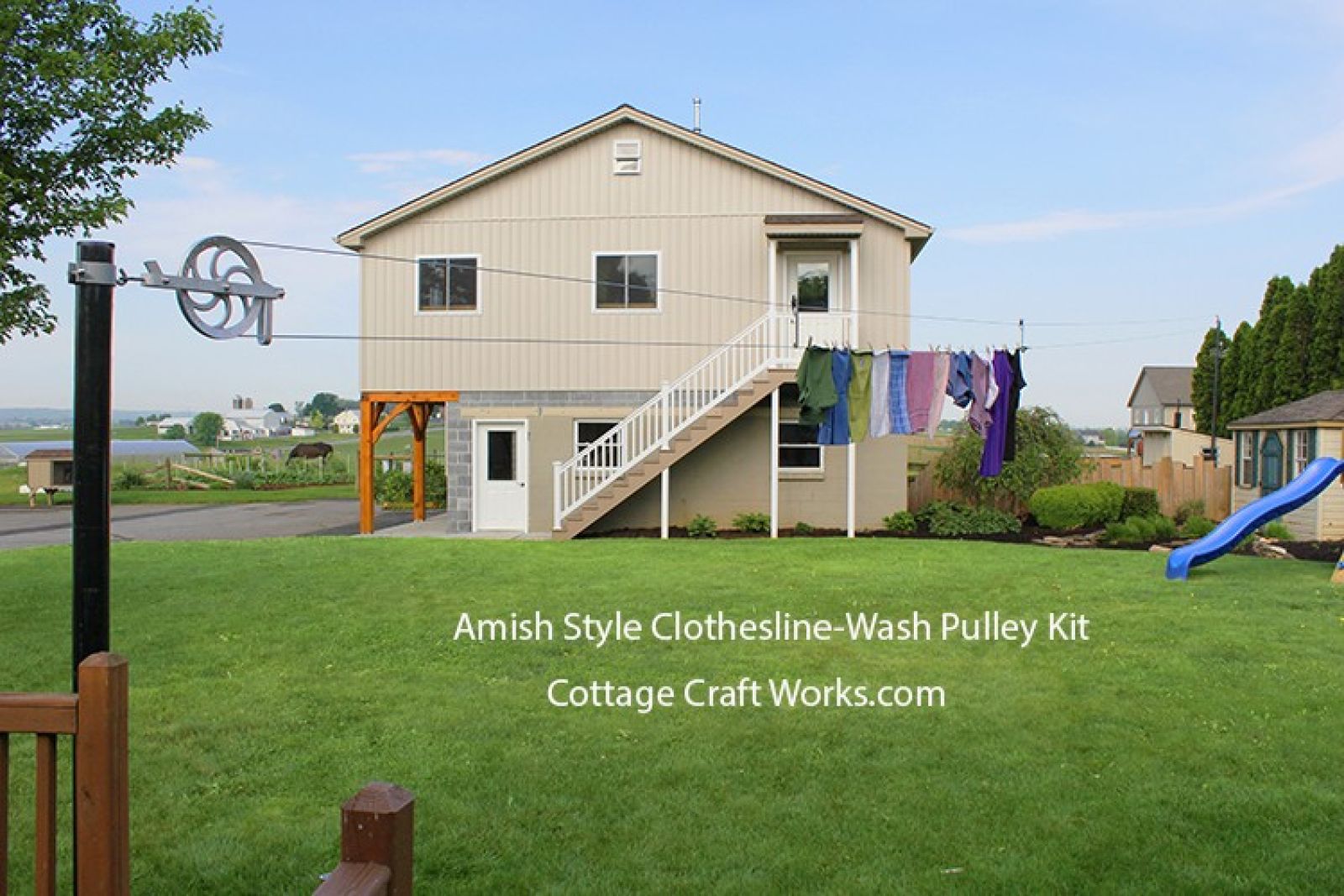
Amish Clothesline Pulley Kit
Set up a traditional outdoor laundry line.
View Product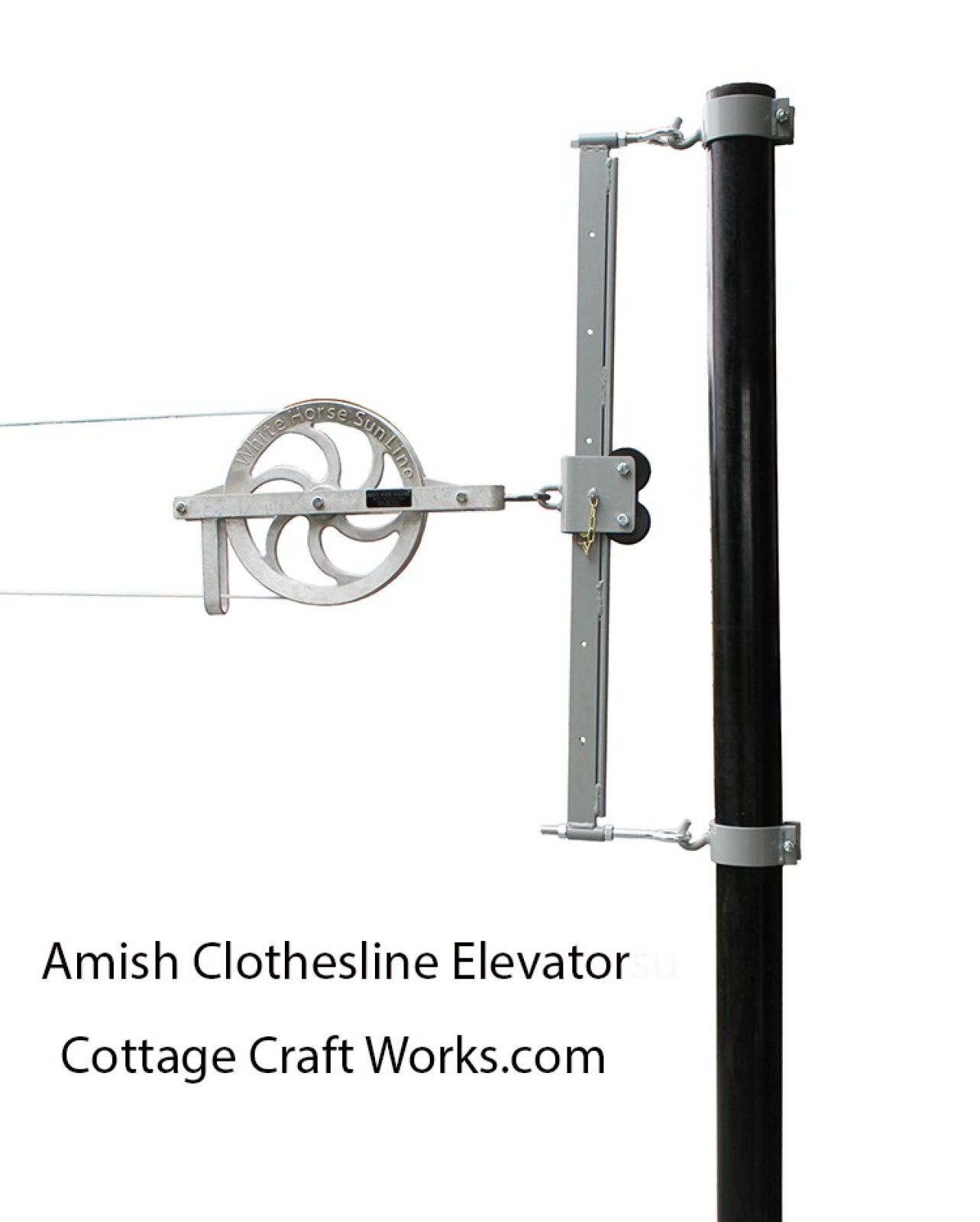
Clothesline Pulley Elevator Pole
Raise a compatible clothesline to help keep laundry out of the way.
View Product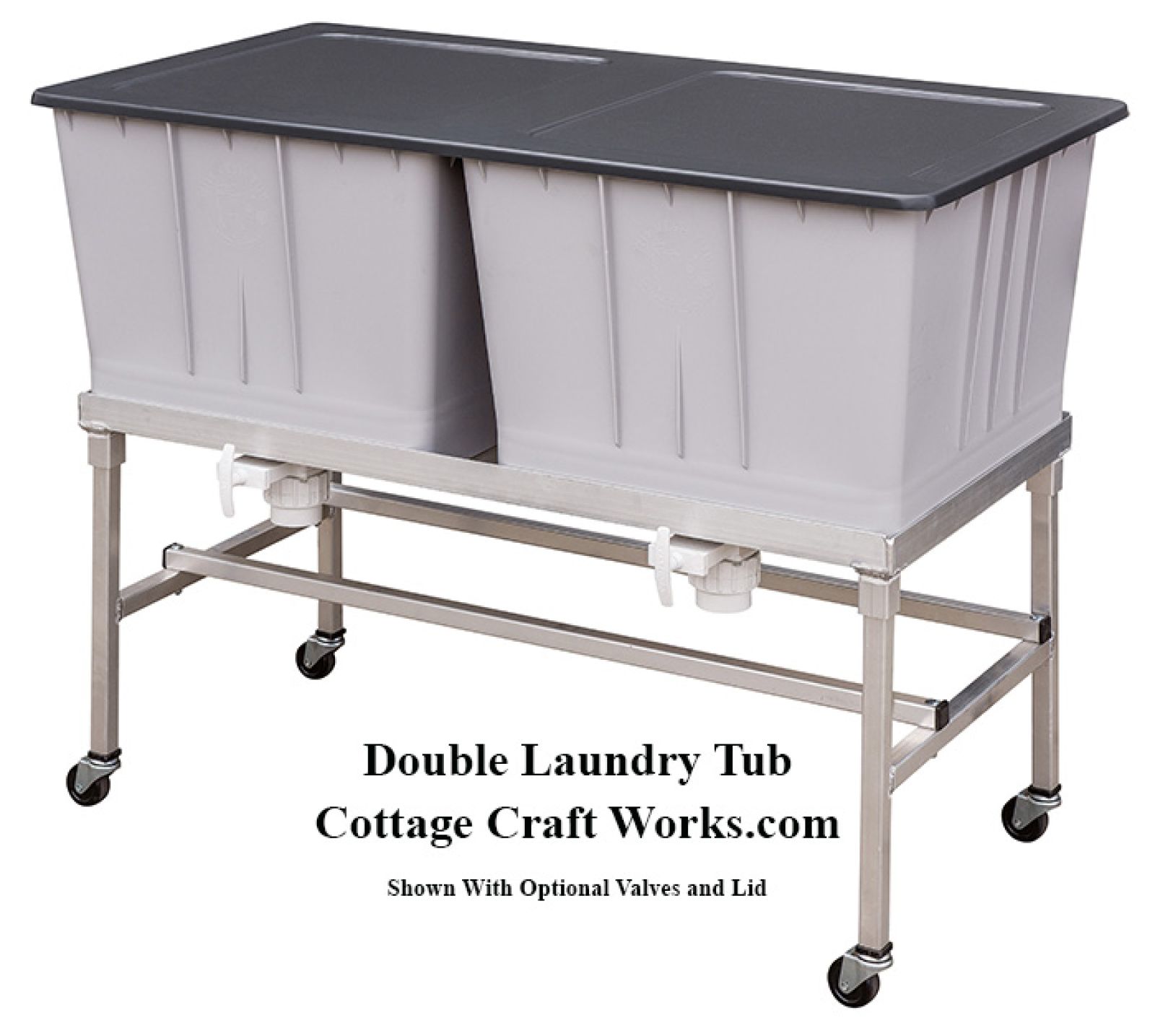
Double Laundry Tub
A practical wash and rinse station for manual laundry work.
View Product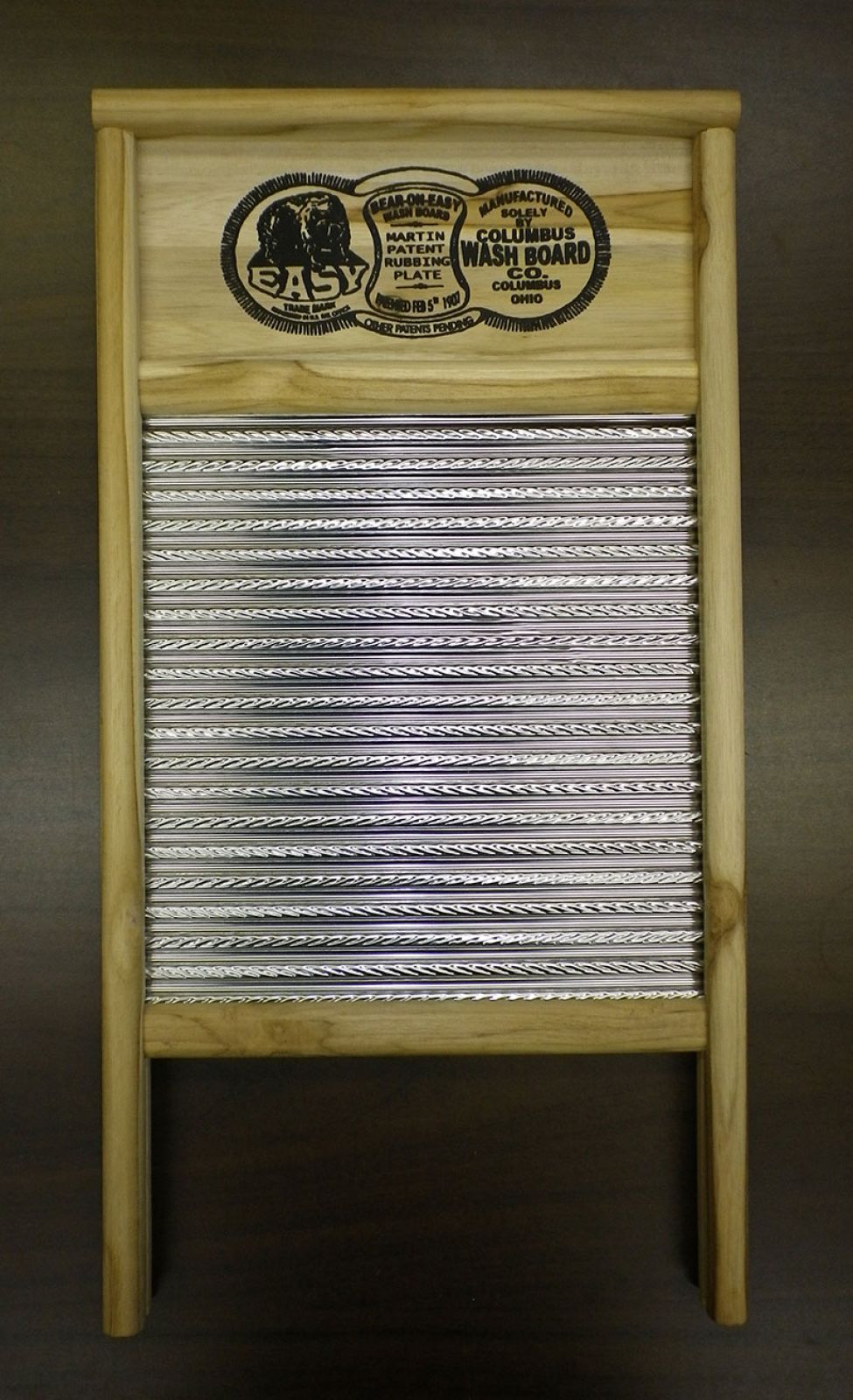
USA Family-Size Washboard
Wash smaller loads and individual garments by hand.
View Product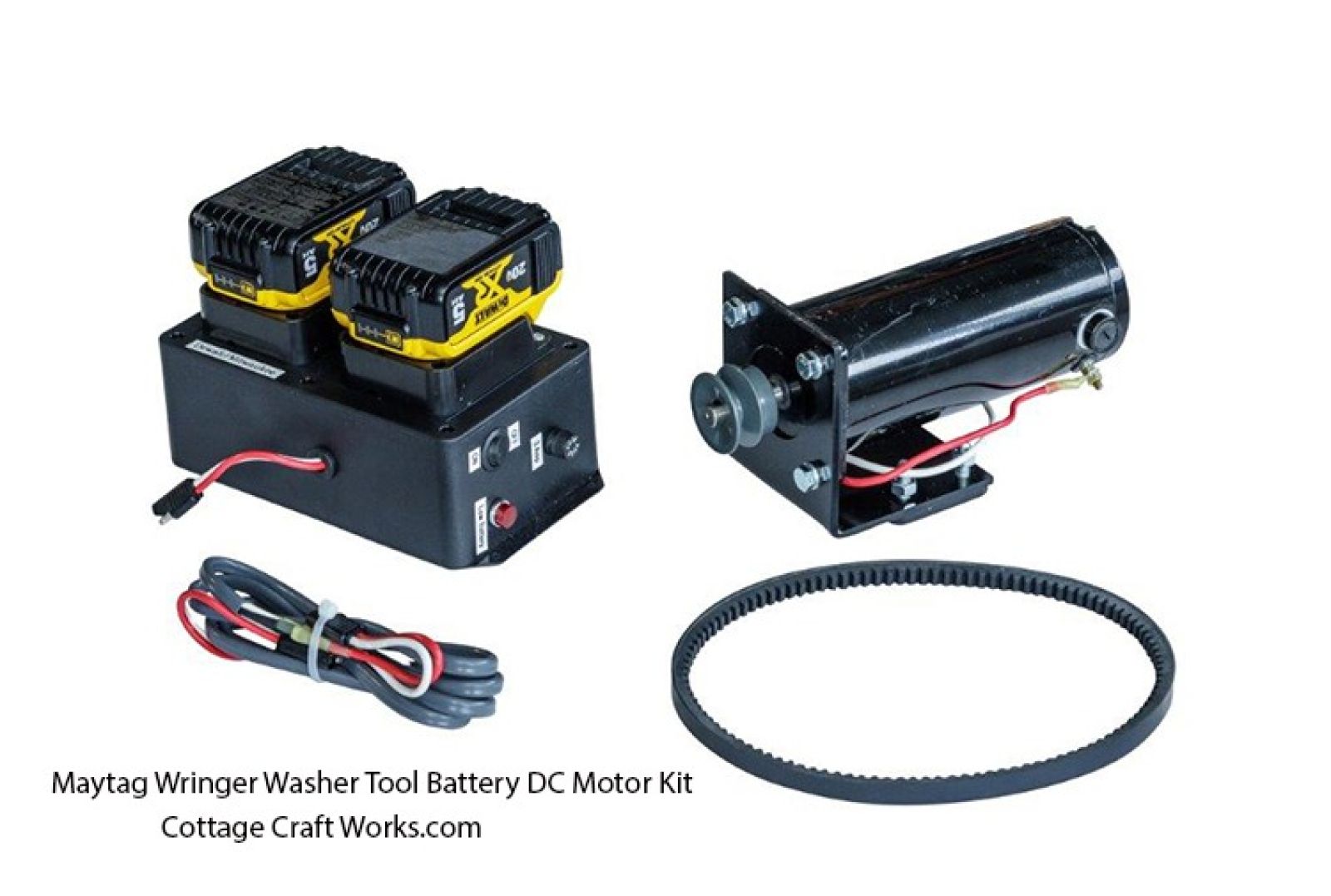
Maytag Wringer Washer DC Motor Kit
Explore alternative power for a compatible vintage wringer washer.
View ProductHow Do You Stay Cool Without Grid Electricity?
Battery-operated fans can provide air circulation during power outages, in cabins, RVs, and off-grid buildings. Compare voltage, current draw, battery compatibility, and expected runtime. An air-powered fan is another option where a compressed-air supply already exists. Fans move air but do not replace air conditioning in extreme heat.
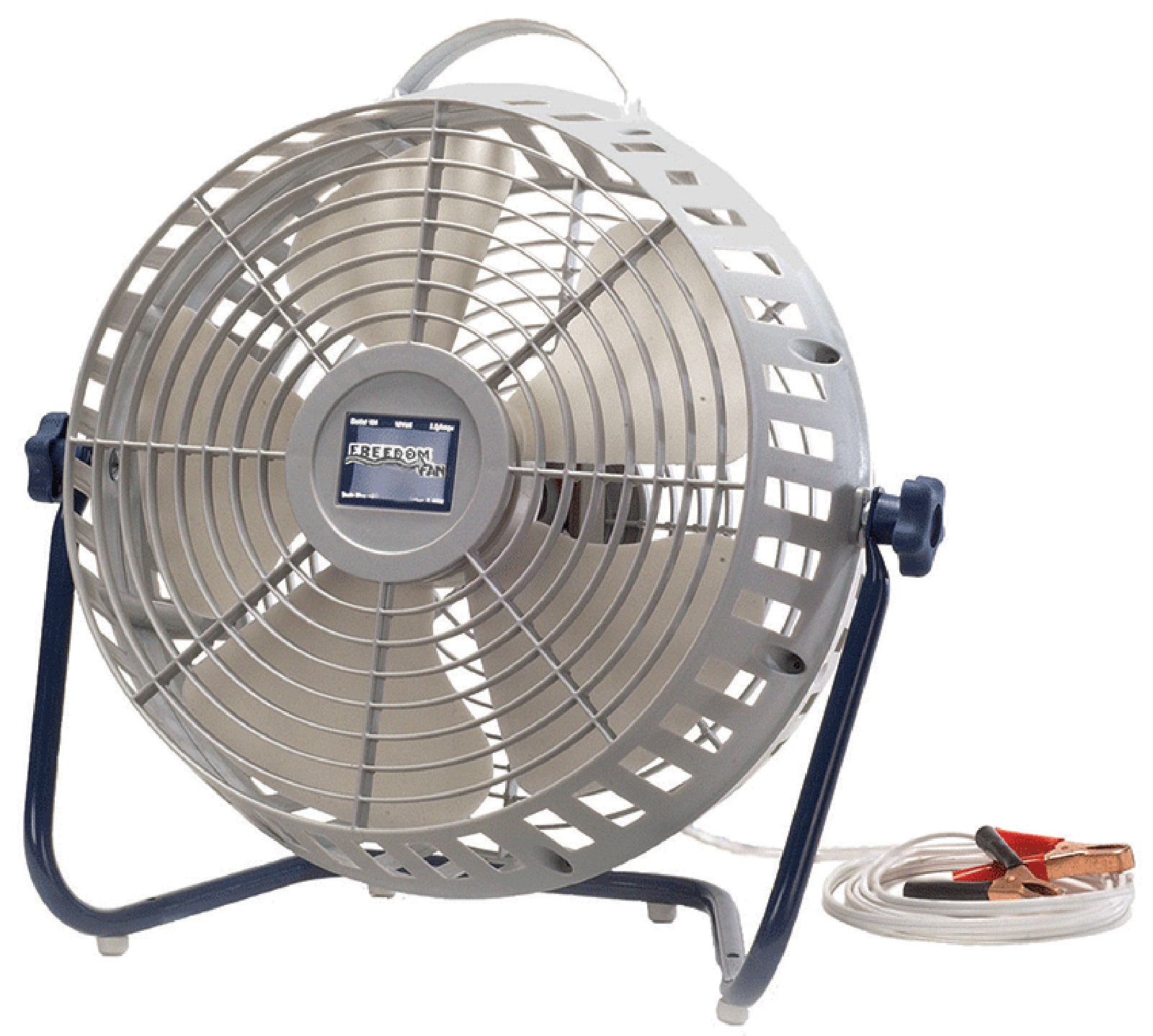
12-Inch 12-Volt DC Circulating Fan
Portable low-voltage circulation for RVs, cabins, and outages.
View Product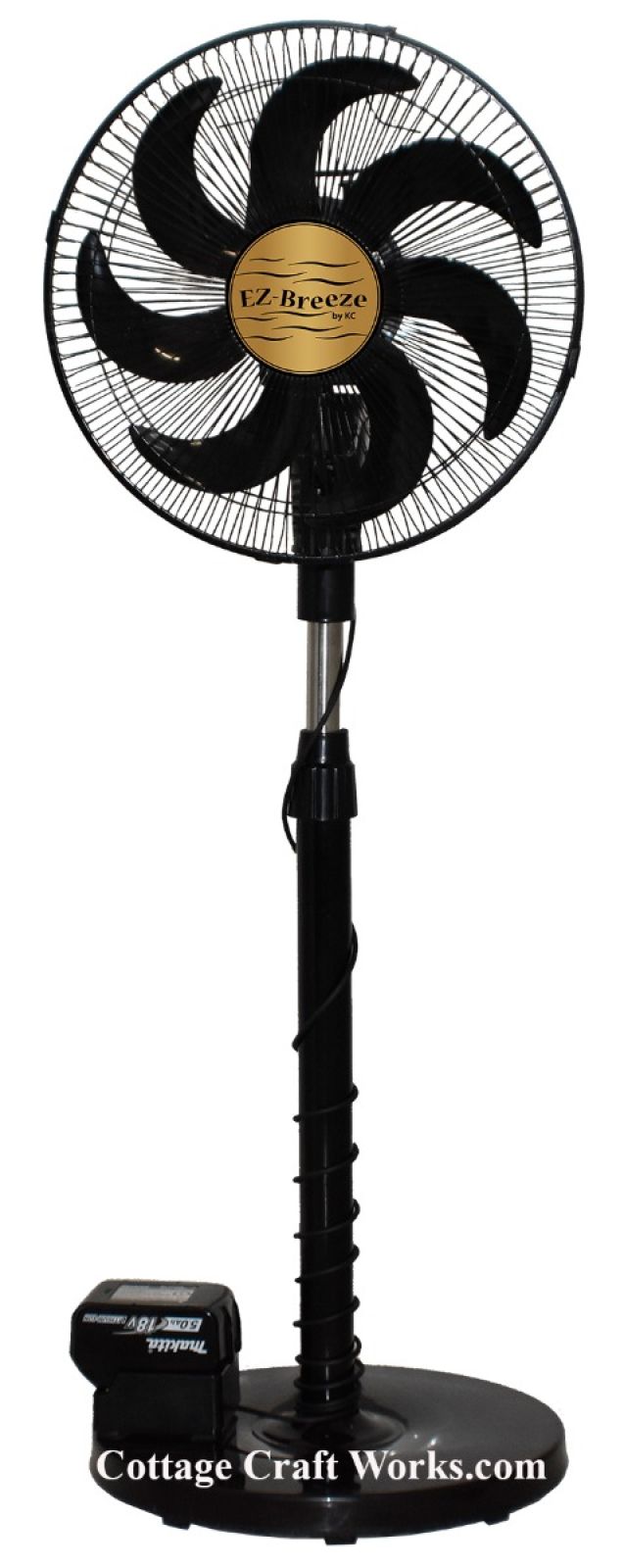
12-Inch Tool-Battery Pedestal Fan
Battery-powered airflow with adjustable positioning.
View Product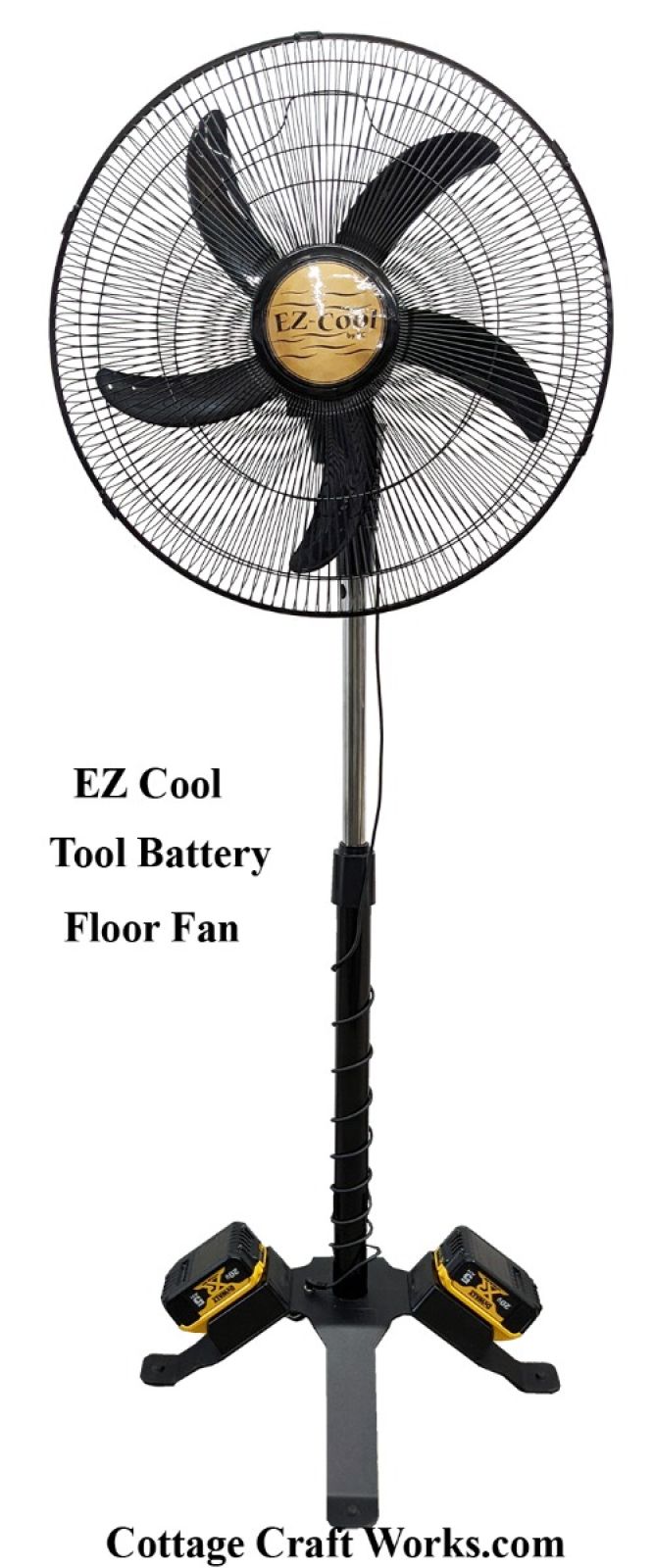
18-Inch Tool-Battery Pedestal Fan
Another portable cooling option for areas without outlets.
View Product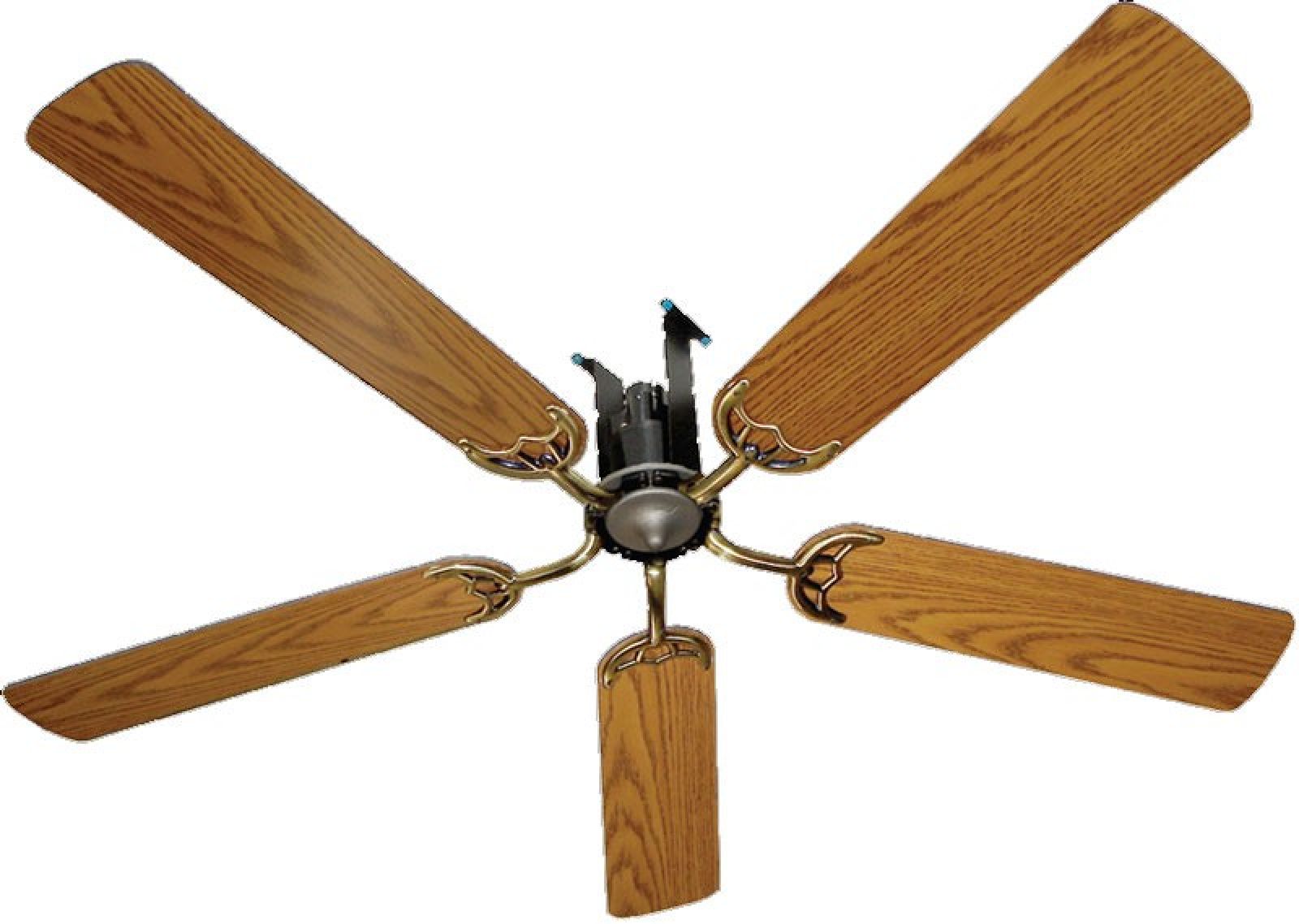
52-Inch Air-Motor Ceiling Fan
Runs on compressed air, not directly from household electricity; requires an adequate air supply.
View Product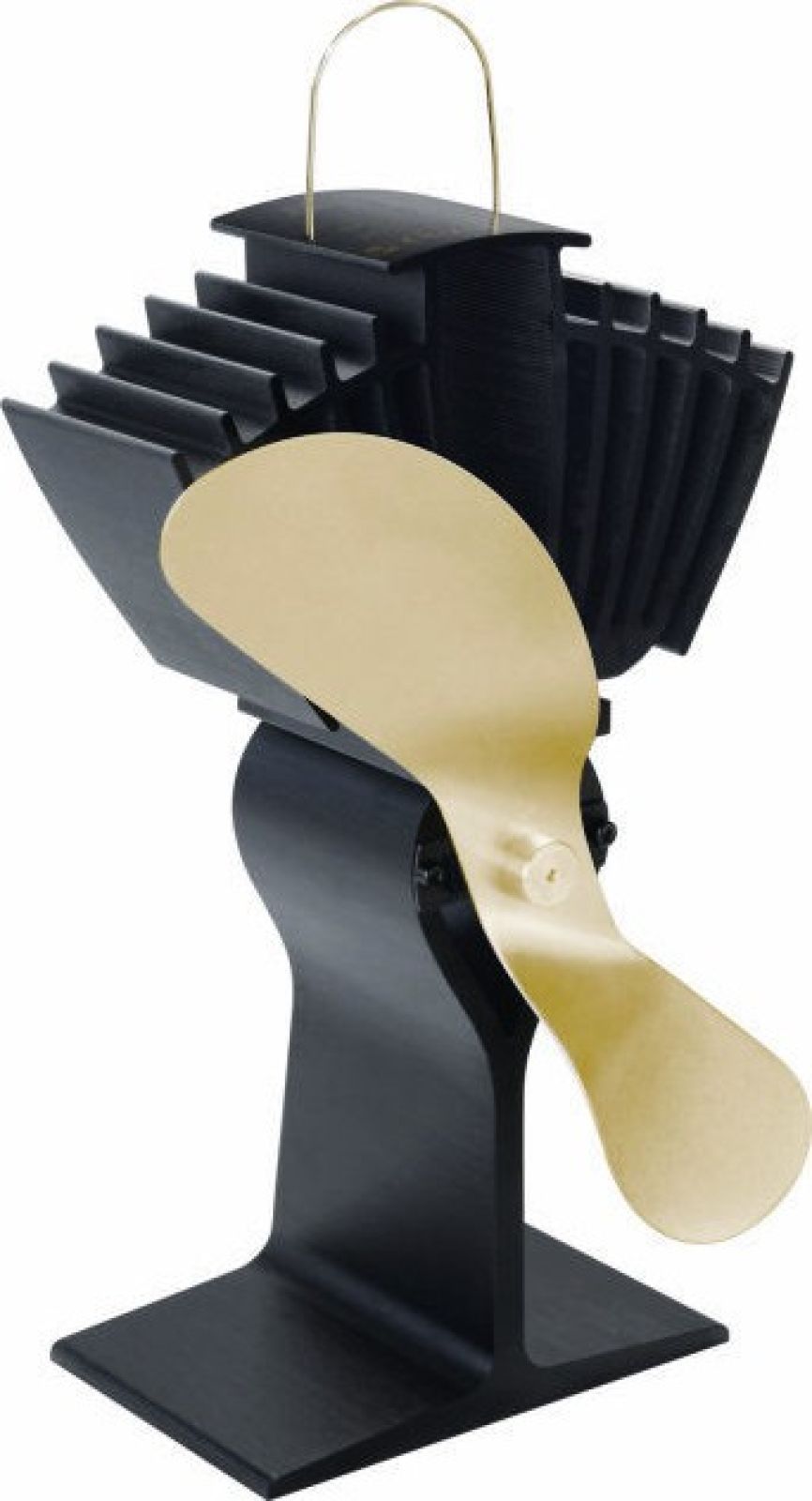
Heat-Powered Ecofan 812
Circulates warm air using heat from a compatible stove surface.
View ProductWhat Are the Best Lighting Options When the Power Goes Out?
Plan a mix of rechargeable lamps, spare batteries, and independent charging. Fuel-burning lanterns may be useful only when operated according to their instructions, with proper ventilation and carbon-monoxide precautions. Never use a fuel-burning appliance in an unsafe enclosed space.

SunArc Rechargeable 12-Volt Lamp-Lantern
Rechargeable portable lighting for an off-grid or emergency kit.
View ProductCan You Sew Clothes Without Household Electricity?
Yes. Traditional treadle sewing machines use foot-powered mechanisms, while some portable sewing machines can operate from compatible rechargeable tool batteries. These approaches help support clothing repair and household sewing without a conventional wall outlet.
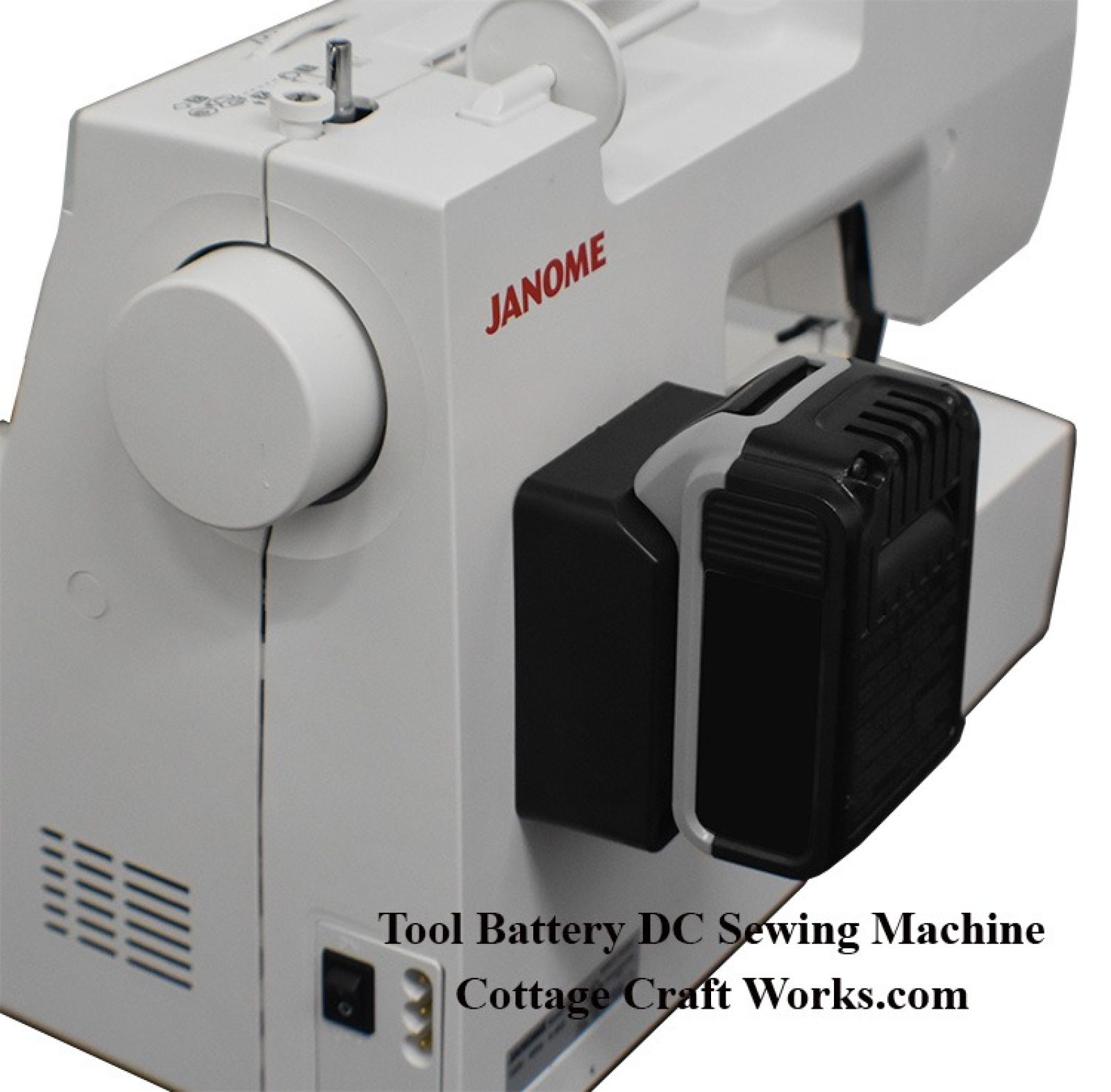
Tool-Battery Portable Sewing Machine
A sewing option powered by a compatible tool-battery system.
View ProductExplore Off-Grid Sewing Machines
What Other Tools Help Make a Home More Self-Sufficient?
Look for durable tools that serve more than one purpose, and make sure replacement parts and operating supplies are available. Portable cooking equipment, manually operated household tools, and alternative-power devices can help reduce dependence on a single power source.
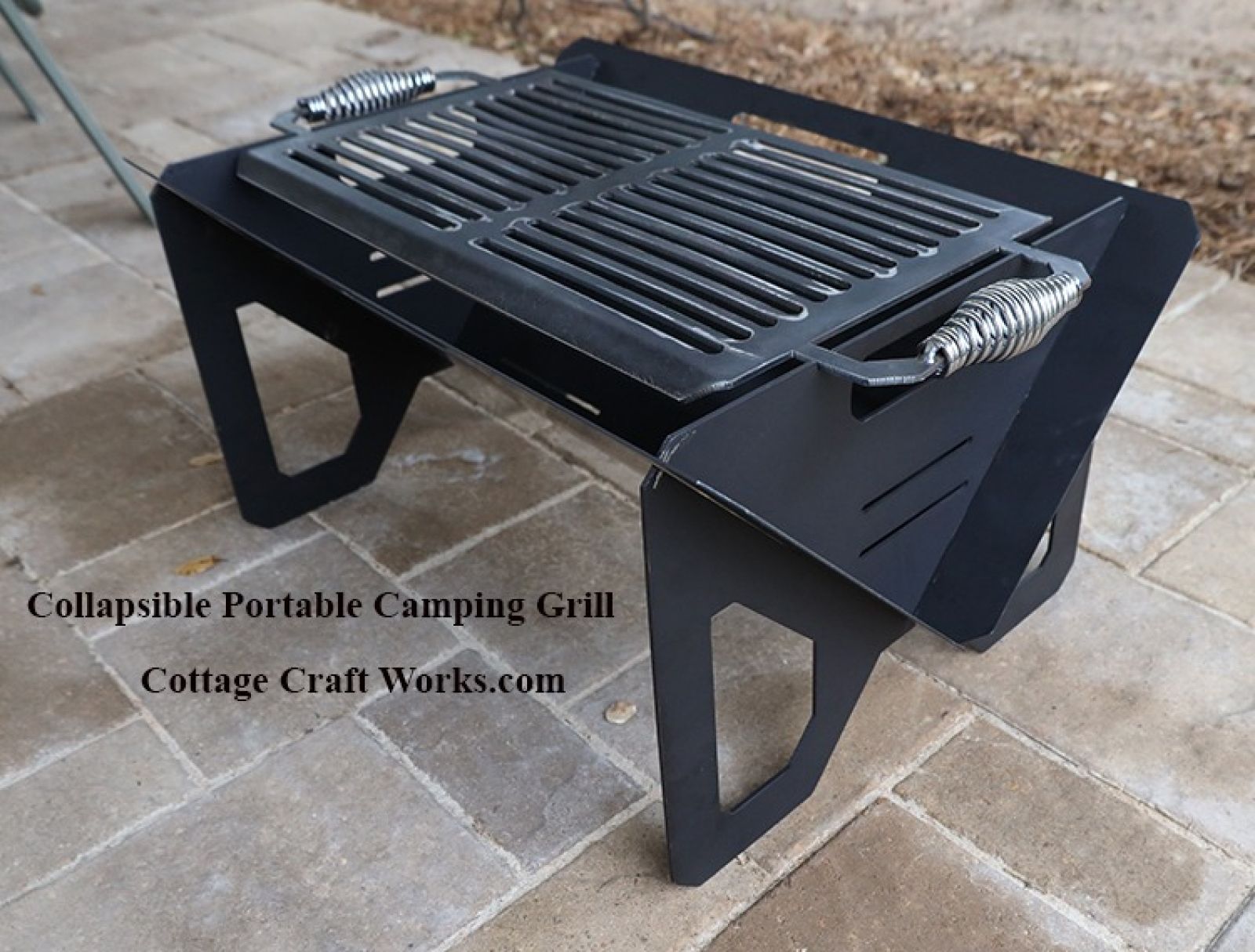
Collapsible Portable Camping Grill
A foldable outdoor cooking option for camping and outdoor living. Use only in a safe, appropriate outdoor setting.
View Product
Self-Heating Gasoline Clothes Iron
Traditional alternative-fuel ironing equipment for users familiar with its safe operation and ventilation requirements.
View ProductWhat Should You Buy First for Self-Sufficient Living?
- Start with essentials: safe water, sanitation, food storage, and a cooking plan.
- Reduce electric demand: add clotheslines, drying racks, and manual household tools.
- Plan backup lighting: choose lamps and a practical recharging method.
- Plan cooling: match battery fans to your power supply and expected runtime.
- Learn maintenance: keep instructions, spare parts, and basic repair tools available.
Frequently Asked Questions About Off-Grid Living
Can you live off the grid without solar panels?
Yes, but you still need a dependable plan for water, lighting, cooking, heating or cooling, and any equipment that requires electricity. Manual equipment, stored batteries, generators, and other sources each have tradeoffs.
How do you do laundry without electricity?
Use a washboard or manual washing method, a suitable laundry tub, and a clothesline or drying rack. Some compatible wringer washers can use alternative motor systems.
What are the easiest ways to become more self-sufficient?
Learn basic repairs, line-dry laundry, keep emergency lighting, plan water storage, and practice food preparation and preservation skills before a disruption occurs.
Can a 12-volt fan run on solar power?
It can be part of a solar-charged battery system if voltage, wiring, battery capacity, and charge control are correctly matched. Check the fan specifications and use suitable electrical protection.
Is Amish-style living the same as off-grid living?
Not necessarily. Amish communities vary in their technology practices. Many traditional household tools are useful for anyone seeking lower electricity dependence.
What equipment should I have for a long power outage?
Prioritize drinking water, safe food storage, flashlights, battery charging, communication, medications and other household necessities. Add suitable manual and alternative-power equipment after the essentials.