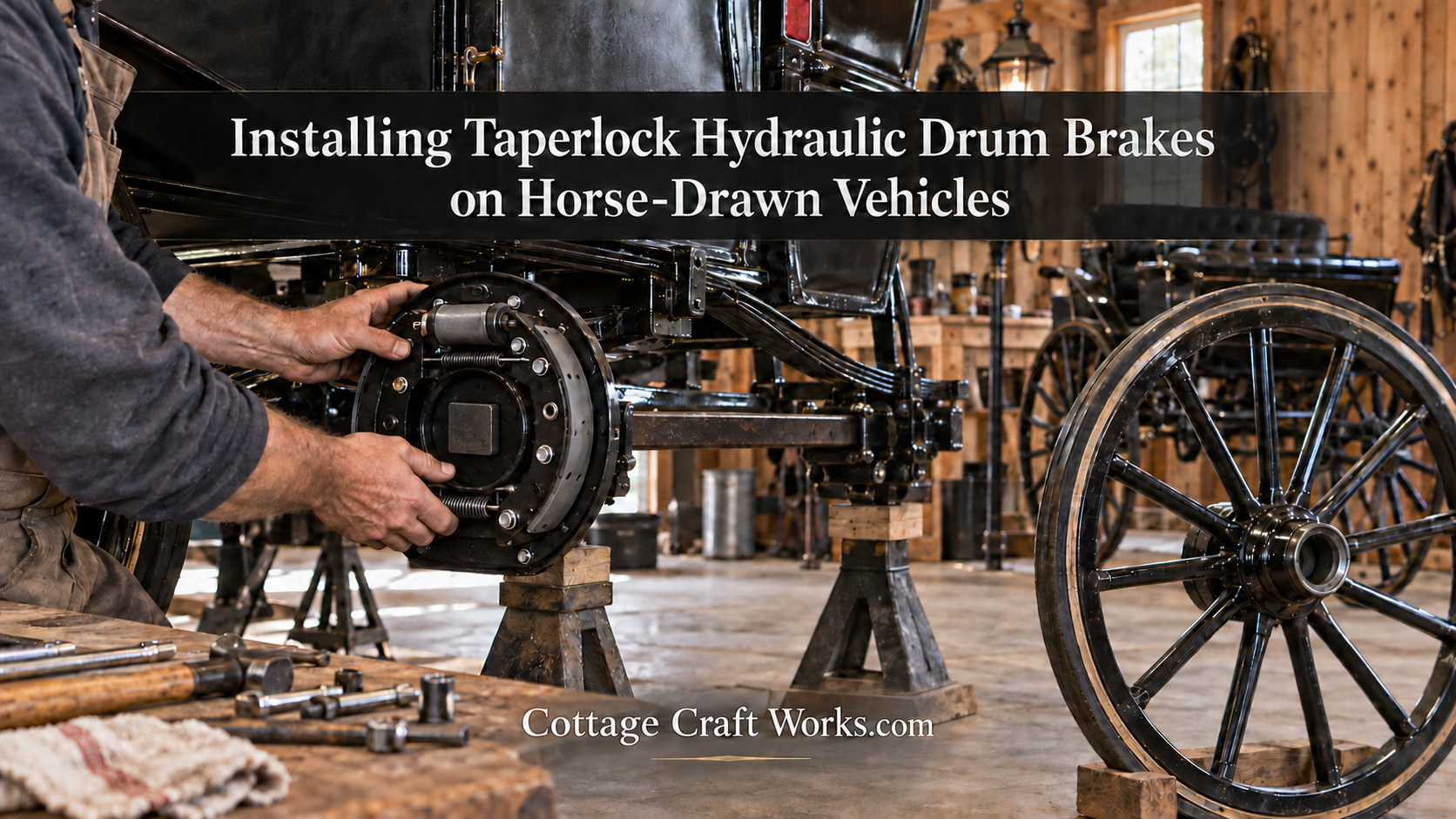

Article
Taperlock Brake Troubleshooting & Performance Diagnosis
What should be checked when Taperlock buggy brakes do not operate correctly?
Start with the symptom, then inspect fluid level and bleeding, adjustment, hydraulic leaks or restrictions, wheel cylinders, master cylinder, shoe linings and springs, drum condition, backer-plate security, and wheel-bearing adjustment as applicable.

Resource 2
Use brake-pedal feel, brake behavior, noise, leakage and wheel response to narrow down likely hydraulic or mechanical causes.
Pedal Goes to Floor
Check reservoir fluid, air in the hydraulic system, brake adjustment, wheel-cylinder leakage, brake-line condition, master-cylinder wear and brake-shoe lining wear.
Spongy Brake Pedal
Look for air in the hydraulic system, incorrect brake fluid, worn or cracked drums, or a broken pedal pivot bushing.
Brakes Pulling
Inspect for contaminated or unmatched shoe linings, incorrect adjustment, out-of-round drums, distorted shoes, and restricted hoses or lines.
Squealing or Chirping
Check glazed or saturated linings, weak or broken retaining/return springs, incorrect linings, distorted shoes, a bent backer plate, dust or scored drums, and out-of-round drums.
Dragging Brakes
Check wheel or parking-brake adjustment, return springs, pedal/linkage binding, master-cylinder cup or relief-port problems, saturated lining, and bent/out-of-round drums.
Hard Pedal or Excessive Pedal Effort
Inspect lining type, restricted lines or hoses, frozen linkage, contaminated linings and seized pistons.
Wheel Locks
Inspect contaminated or loose/torn linings, sticking wheel-cylinder cups, and wheel-bearing adjustment.
Fade, Pulsation, Chatter or Scraping
Check overheating or dragging, brake fluid, drum condition, backer-plate security, support plates, shoe condition, mounting-bolt length and wheel-bearing adjustment.
Leaky Wheel Cylinder
Inspect piston seals and the cylinder bore for wear, scoring or corrosion.
Pedal Moves Without Braking Effect
Check for air or improper bleeding, a master-cylinder primary-cup leak, hydraulic leakage, or an open bleeder screw.
Safety Disclaimer
Brake installation, adjustment, hydraulic service, and repair are safety-critical work. These resource pages summarize the referenced Weavertown Coach Shop material for educational and service-reference purposes. Vehicle condition, axle machining, hub style, brake size, and prior modifications can change the correct procedure. Work should be performed by a mechanically qualified person familiar with hydraulic drum brakes. Inspect the complete system and test braking operation in a controlled area before returning a horse-drawn vehicle to service. Never rely on the vehicle brakes as a substitute for proper horse control, harnessing, driving technique, or safe operating practices.
Cottage Craft Works.com
Technical information adapted from the Weavertown Coach Shop catalog, Bird-in-Hand, Pennsylvania, with credit and permission from Weavertown Coach Company.
Downloads
Frequently Asked Questions
What commonly causes a spongy pedal?
What can cause brakes to drag?
What should be checked when brakes pull?
Related Products
 Horse Carriage, Cart, Drum Brake Kit View product
 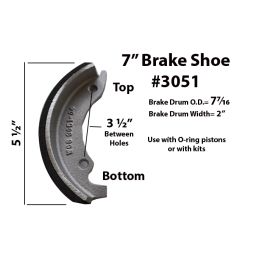 Horse-Drawn Vehicle Hydraulic Brake Shoes View product
 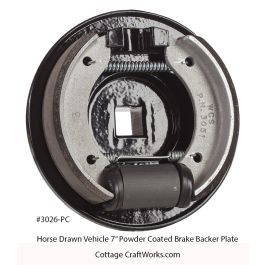 Horse Drawn Vehicle Brake Assembly View product
  Horse Drawn Vehicle Hydraulic Brake Master Cylinder View product
  Horse Drawn Vehicle Brake Components View product
  Horse Drawn Vehicle Brake Drum View product