


Article
Emergency Power Outage Preparation: How to Prepare Your Home Without Electricity
Resource Center / Emergency Preparedness
Emergency Power Outage Preparation: How to Prepare Your Home Without Electricity
A sudden blackout can interrupt drinking water, refrigeration, cooking, lighting, communication, and heating or cooling. Whether you are preparing for a hurricane, winter storm, severe weather, or an extended utility outage, a sensible power outage emergency plan combines essential supplies, safe backup power, and useful non-electric household equipment.
Key Takeaways
- Plan for at least several days without electricity and adapt supplies to your household.
- Store at least one gallon of water per person per day as a starting point; plan extra when necessary.
- Keep refrigerator and freezer doors closed and monitor food temperatures.
- Use generators and fuel-burning cooking equipment only in appropriate outdoor locations.
- Hand-powered tools can reduce dependence on electricity but do not replace essential medical backup power.
1. Emergency Power Outage Checklist
Build a kit you can find in the dark. Review it before storm season and replace expired supplies.
- ☐ Drinking water and safe storage containers
- ☐ At least three days of ready-to-eat, shelf-stable food
- ☐ Manual can opener and basic non-electric food preparation tools
- ☐ Flashlights or battery lanterns, spare batteries, and headlamps
- ☐ Charged power banks and compatible charging cables
- ☐ Battery-powered or hand-crank weather radio
- ☐ First aid supplies, necessary medicines, and personal hygiene supplies
- ☐ Battery-backed smoke and carbon monoxide alarms
- ☐ Refrigerator and freezer thermometers, coolers, and frozen ice packs
- ☐ Paper contact list, local emergency information, and a family meeting plan
- ☐ Pet food, infant supplies, and accessibility or medical equipment plans
- ☐ Blankets, weather-appropriate clothing, and an evacuation destination
2. How to Have Water During a Power Outage
Electric well pumps may stop when utility power fails. Municipal water service may also be disrupted or subject to a boil-water advisory. Store clean drinking water before an emergency, using one gallon per person per day as a basic planning minimum and allowing more for hot weather, medical needs, pets, and sanitation.
Can a hand water pump work without electricity?
Yes, a properly matched manual well pump can provide a non-electric way to move water. Shallow-well suction pumps and deep-well pumping systems work differently. The correct choice depends on the water level, casing size, plumbing, and installation. A hand pump does not automatically make untreated well water safe to drink.
Explore Cottage Craft Works manual water pumps and off-grid water equipment. Confirm the correct product and installation requirements before purchasing.
3. Food Storage and Cooking Without Electricity
Keep an emergency pantry stocked with foods that require little or no preparation: canned beans, canned fish, nut butters, crackers, dried fruit, and other shelf-stable foods that fit your household's dietary needs. A manual can opener, hand grinder, or hand-operated mixer can be useful when electric kitchen appliances are unavailable.
How long does food last when the power goes out?
| Appliance | Typical safe holding time if unopened |
|---|---|
| Refrigerator | About 4 hours |
| Full freezer | About 48 hours |
| Half-full freezer | About 24 hours |
These are general estimates, not guarantees. Use appliance thermometers. Discard perishable refrigerated food after four hours without power or another cold source; frozen food may be refrozen or cooked if it still has ice crystals or is at 40°F or below. Never taste food to test safety.
For cooking, use only equipment approved for the setting and follow its ventilation and fuel instructions. Never use charcoal grills, camp stoves, or other outdoor combustion appliances indoors.
4. Emergency Lighting, Communications, and Backup Electricity
Store flashlights or LED lanterns where family members can find them easily. Keep power banks charged, consider a battery-powered NOAA weather radio, and maintain a printed list of emergency contacts. For critical devices, verify the backup runtime and charging requirements in advance.
Portable generator safety
Portable generators can supply power to selected appliances, but they present carbon monoxide, fire, and electrical hazards. Run them outdoors at least 20 feet away from doors, windows, and vents, with exhaust directed away from occupied areas. Never operate a generator in a garage, basement, porch enclosure, or home. Use working carbon monoxide alarms. Have a qualified electrician install any home transfer equipment; never backfeed household wiring through an outlet.
Do not assume a generator will run every appliance. Calculate starting and running wattage, and prioritize essential loads.
5. Staying Safe During Hot or Cold Weather
Extreme temperatures can become dangerous quickly, particularly for infants, older adults, and people with medical conditions. In hot weather, use shade, ventilation when conditions allow, water, and an accessible air-conditioned location. In freezing weather, wear layers, close off unused rooms when appropriate, and arrange access to a safely heated location.
Never use a gas oven, stovetop, charcoal grill, or outdoor heater to warm indoor spaces. If your home becomes dangerously hot or cold, relocate rather than relying on unsafe improvised heating or cooling.
Anyone using electricity-dependent medical equipment should establish an individualized backup plan with their healthcare provider and equipment supplier before an outage.
6. Non-Electric Household Tools Worth Considering
One practical way to improve emergency preparedness without electricity is to keep reliable hand-operated equipment for routine tasks. These tools can also be useful for homesteads, cabins, workshops, and everyday self-sufficient living.
Manual water pumps
Where compatible with the well and properly installed, a hand pump may provide an alternative source of water when an electric pump is unavailable.
Hand-crank kitchen appliances
Manual grinders, mixers, and other kitchen tools can help with food preparation without relying on electric motors. Choose tools that fit the foods you actually store.
Non-electric laundry equipment
Hand-operated washing equipment and wringers can help with laundry during prolonged outages, provided adequate safe water and appropriate drainage are available.
Hand tools for household upkeep
Manual cutting, gardening, and repair tools allow essential chores to continue without charging batteries or operating gasoline engines.
Discover traditional household tools, hand-operated appliances, and equipment for more self-sufficient living at Cottage Craft Works. Select equipment based on your household needs, safety requirements, and available water and fuel.
7. What to Do Before, During, and After a Power Outage
Before the outage
Charge devices, check batteries, store water, fill prescriptions as appropriate, freeze ice packs, check weather alerts, and make a plan for anyone who depends on electricity for medical care. Know where you can go if your home becomes unsafe.
During the outage
Report the outage to your utility. Use flashlights, conserve phone batteries, keep refrigerator doors closed, follow water advisories, and stay away from downed power lines. Operate generators outdoors only. Check on neighbors when safe.
After power returns
Check food temperatures and discard unsafe food, inspect for damaged electrical equipment, replenish emergency supplies, and review what worked or needs improvement. Do not enter flooded areas with energized electrical equipment.
Frequently Asked Questions About Power Outages
What should I have ready before a power outage?
How much water should I store for an emergency?
How long will refrigerated food stay safe without power?
Can I pump well water without electricity?
Can I cook indoors with a camping stove during a blackout?
Where should I place a portable generator?
What are the best non-electric appliances for emergency preparedness?
How do I prepare for a three-day power outage?
Reliable Emergency Preparedness References
- Ready.gov: Power Outages
- CDC: Staying Safe During a Power Outage
- CDC: Food Safety After an Emergency
- Ready.gov: Emergency Supply Kit
Safety note: This educational guide is not a substitute for local emergency alerts, licensed electrical or plumbing advice, medical guidance, or product-specific instructions. Follow official evacuation orders and manufacturer safety requirements.
Related Products
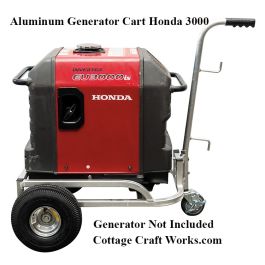 Large Generator Cart View product
 Small Dolly Style Aluminum Generator Cart View product
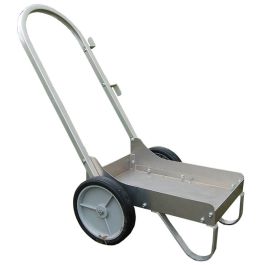 Small Generator-Equipment Aluminum Cart View product
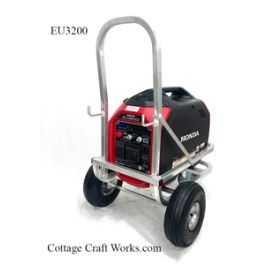 EU3200i Aluminum Generator Cart View product
 Gas Light Mantel View product
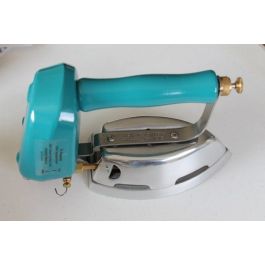 Self-Heating Gasoline Iron View product
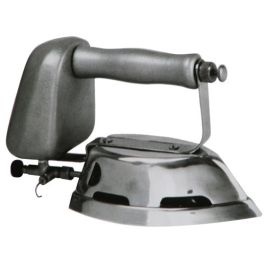 Even Heat Gasoline Iron Parts View product
 Large Gas Lantern-Stove Hand Pump View product
 Small Gas Lantern Hand Pump View product
 Coleman Gasoline Iron Filler Cap View product