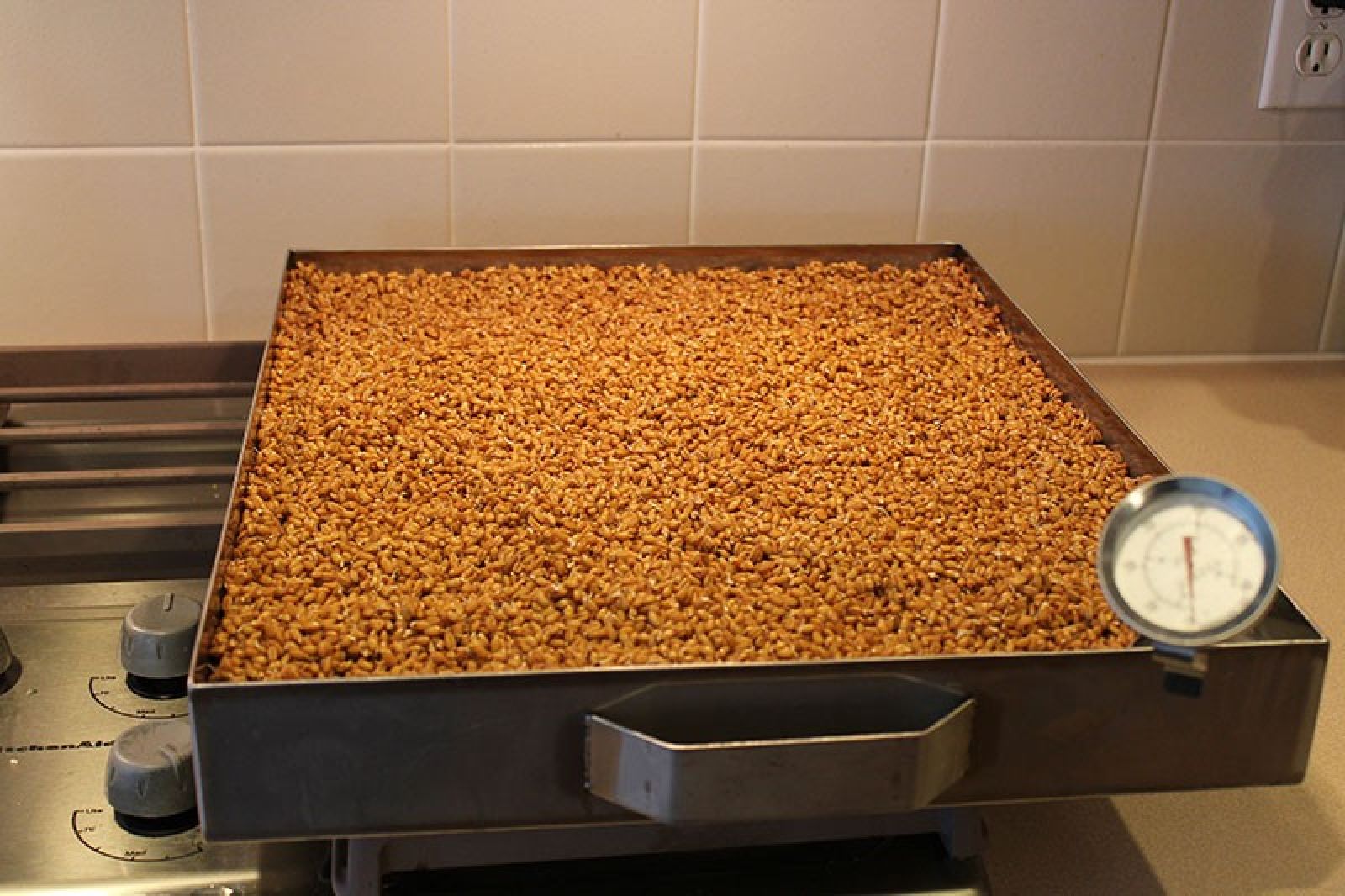
Please allow 2-4 weeks for shipping.
This reproduction corn drying pan is a perfect alternative drying method for those living off the grid with limited sun exposure for adequate drying. The pan will work on pellet and corn stoves, as well as any heat source that heats the water to the 150° drying range.
Why Choose the EZ Stove-Top Food Dehydrator Pan?
The EZ Stove-Top Food Dehydrator is a heavy-duty, non-electric drying pan that offers an old-fashioned, reliable way to preserve homegrown produce — without an electric dehydrator or oven. Whether you're drying fruits, vegetables, herbs, nuts, sprouted grains, or even jerky and pasta, this pan delivers consistent results every time.
Key Features & Benefits
-
Traditional, Amish-inspired design: Modeled after classic corn-drying pans still used by Pennsylvania-Dutch communities — now adapted for modern gas or electric stoves.
-
Non-electric, energy-free preservation: No heating element or electricity needed — use your existing stove to dehydrate food, ideal for off-grid living, homesteads, or emergency prep.
-
Large drying surface: Measures 19" x 16" with 1" raised sides and 2.5" full depth, giving ample space to spread produce evenly for efficient drying.
-
Durable build with safety in mind: Rolled edges and welded carrying handles for safe handling; 1" sidewalls prevent spills and ensure even drying.
-
Versatile food drying: Works for fruits, vegetables, mushrooms, herbs and spices, sprouted grains, fresh noodles, jerky — even items you’d normally dry in an oven or commercial electric dehydrator.
-
Gentle, low-temperature dehydration: The water-filled pan maintains a stable, gentle heat (below boiling) — avoiding burning or scorching, a common risk with oven drying.
-
Long-term food preservation & reduced waste: Dehydrating reduces moisture — the leading cause of spoilage — making food shelf-stable for months and reducing waste.
Ideal For:
-
Homesteaders, off-grid households, and those seeking traditional food preservation methods
-
Gardeners and backyard growers wanting to preserve harvests (fruits, herbs, vegetables)
-
Outdoor enthusiasts and preppers need long-term storage without electricity.
-
People make homemade jerky, dried fruit snacks, herbs, or sun-dried foods.
How It Compares to Electric Dehydrators & Oven Drying
Unlike an electric dehydrator — with fans, heating elements, and multiple trays — this stove-top pan relies on gentle, consistent heat from your stove. That means fewer mechanical parts, lower long-term costs (no electricity), and a simpler, more durable tool. Compared to oven drying, the water-filled pan maintains stable temperatures and reduces the risk of burning or overheating delicate foods.
Tips for Best Results
-
Spread produce in a single layer so air can circulate evenly.
-
Use medium-low stove heat to keep the water just below a boil—slow, steady drying gives superior texture and preserves nutrients.
-
Stir or rotate items periodically (especially grains or nuts) to ensure even drying.
-
Once dried, store in airtight, moisture-proof containers to extend shelf life for months or even years.
- Additional Information
Our EZ-Stove Top Dehydrator is just one of our many products. We also aim to enhance the functionality, redesign the original product, and leverage modern technology.
The original corn drying pans were made from galvanized metal and soldered together. They probably contained lead, as those dangers were not known at the time.
Our EZ-Stove Top Dehydrator is made from USA 304 Stainless Steel, with seams welded without solder.
The galvanized metal, over time, started to rust and pit, creating leaks. This is likely one of the reasons very few of these pans still exist. We could only find three of the old ones being sold as antiques. Stainless steel will not rust or pit.
When companies reproduce old-time products, they most often make them as cheaply as possible, having an overseas company with substandard labor practices and living conditions produce them.
At Cottage Craft Works, we want our reproduction products made just as they would have been in a U.S. factory in the 50s and 60s. The EZ-Stove Top Dehydrator is made of heavy 22 gauge stainless. We could have it made from a lighter-gauge metal, but then it would not be a product we would be proud of.
We also want to provide our customers with products that will serve future generations. This is a lost thought in our country, as planned obsolescence has somehow translated into forcing customers to purchase an item every few years instead of building loyal customers for life.
We had difficulty finding much history on these pans. Some told us they were commercially produced, but in the few that we have discovered, there is no consistent size, and the soldered joints vary. We believe an item may have been introduced with the German settlements and later produced in local metal shops.
The drying pans were popular when wood stoves were used for cooking and heating. Having a ready heat source available also made good use of these drying pans. The EZ- Stove Top Dehydrator has a flat bottom and can be used on gas and electric stoves as well as outdoor barbecues.
We have found this pan to be very efficient. With the hot water maintaining the heat, a small flame is enough to keep it at the desired temperature during the drying period. We use both burners on our gas stove to bring the temperature to 150 degrees, then turn off one burner and bring the other burner down to a simmer. The small simmer burner keeps the temperature within the ideal drying range. When drying grains at temperatures below 110 degrees, you may need to shut off the simmer burner for up to an hour at a time.
The hot water maintains a consistent temperature across the pan's surface, preventing hot spots. The pan retains its temperature for up to an hour after the burner is turned off.
Note: We do not recommend using the drying pan on glass-top stoves. Also, fill the pan with lukewarm or hot water; cold water will initially condense when the heat hits the bottom of the pan and drip onto the burners.
The pan holds 1.9 gallons of water. The water keeps the pan at a constant, stable temperature, preventing the food from scorching. The pan also makes a wonderful food-warming tray to keep party snacks and items that would usually be left on the stove warm while simmering and serving.
Using a stovetop drying pan with the hot water drying method reportedly also maintains more nutrient content; we really don’t have any scientific data to share on this, it is just one of the advantages that our Amish friends have told us about.
We found significant evidence that conserving nutrients by drying at a lower temperature for a longer period is more effective. As we experimented with peanuts, we found a wide range of opinions on roasting them: some recommended roasting at 300 degrees in an oven for 20 minutes, while others suggested roasting at around 180 degrees for several hours to retain more nutrients. We set our pan to just under 200 degrees, and it took about 4 hours for our sample of raw peanuts still in the shell to reach the crunchy stage. The few we had outside the shell were crunchy in 3 hours.
We use a standard oven thermometer in the water fill hole.
While we don't recommend using the pan to roast peanuts, we wanted to explore other uses for it.
Since we follow a low-sodium diet in our family, we also wanted to see how well the pan-dried bread would work for making our own salad croutons. As expected, it performs this task well.
We then let the pan cool down to just under 100 degrees and set another pan on top filled with wet wheat berries soaked in water. With the heat to stimulate the sprouting process the wheat evenly sprouted in 12 hours, we left it for 24 hours and then brought the heat up to just under 110 degrees to dry the sprouted grain after we washed and sanitized it.
The water-fill hole has a channel to facilitate filling. The pan should never be used dry or allowed to run dry, as the stainless steel may warp. The fill hole should never be plugged or covered to allow steam buildup to be released.
Like all pans, this pan should be coated to prevent the food from sticking. We use spray olive oil.
A USA Amish-made Product.